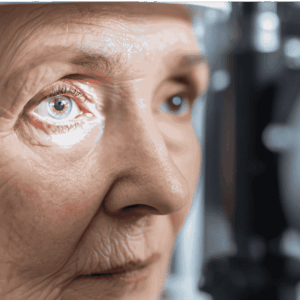



Pathologic myopia is also called degenerative myopia. It is a serious type of nearsightedness. In pathologic myopia, the shape of your eye changes over time. These changes weaken important parts of your eye. If not treated, pathologic myopia can cause permanent vision loss.
What Is Pathologic Myopia?
- Myopic maculopathy
- Retinal detachment
- Choroidal neovascularisation (abnormal blood vessel growth)
- Permanent vision impairment
Causes and Risk Factors
When the eyeball becomes longer than normal, it places additional strain on the retina. This stretching makes the back of the eye thinner and more delicate, increasing the risk of developing eye problems.
Pathologic myopia often runs in families. If your parents or close relatives have high myopia, you are more likely to get it too.
If you become nearsighted at a young age, your eyes have more time to grow and stretch. This makes pathologic myopia more likely as you get older.
Lifestyle and visual habits can influence the rate of myopia progression. Spending a lot of time doing close-up work, not going outside much, and not getting enough natural light can make myopia worse, especially in children.
How Common Is Pathologic Myopia and Why It Matters
- Pathologic myopia happens more often in people of East Asian descent.
- More children and teens are becoming nearsighted. This means more people will be at risk for pathologic myopia in the future.
- Pathologic myopia is a major cause of permanent vision loss in working-age adults.
Signs, Symptoms, and Prognosis
Common Symptoms
- Blurred or reduced vision, even when wearing your usual prescription
- Wavy or distorted areas in your central vision
- Blind spots or dark patches that make it harder to see parts of an image
- You may also have trouble telling the difference between shades or contrasts, which can make it harder to see in certain lighting conditions.
- It may become difficult to perform tasks that require fine visual detail, such as reading small print, driving at night, or recognising faces.
Even if these changes happen slowly, it is important not to ignore them.
Warning Symptoms That Need Urgent Care
- Sudden flashes of light
- A sudden increase in floaters
- A dark curtain or shadow moving across your vision
- Sudden or severe vision loss
These symptoms may be signs of retinal tearing, retinal detachment, or bleeding inside the eye. These are serious conditions that need urgent attention to help prevent permanent vision loss.
Prognosis
Pathologic myopia is a lifelong condition, and vision changes often get worse over time. Some of the damage can become permanent if complications develop. However, finding the condition early and having regular check-ups can make a big difference.
With regular eye exams and prompt treatment, many complications can be found early and managed before they cause more serious vision loss.
How Pathologic Myopia Is Diagnosed
- Dilated retinal examination
- Optical coherence tomography (OCT) to check for changes in the retina and macula
- Fundus photography
- Fluorescein angiography, if your doctor suspects abnormal blood vessels
- Visual field testing
Management and Treatment Options
There is no cure for pathologic myopia, but it can be managed. Treatments help protect your vision, slow the progression of the disease, and detect problems early.
Your eye doctor will help you develop a plan based on your age, symptoms, and findings from your eye exams.
Some problems associated with pathologic myopia, especially those affecting the retina, require medical treatment.
• Anti-VEGF injections:
These injections are used when weak, abnormal blood vessels grow under your retina. This is called myopic choroidal neovascularisation. Anti-VEGF injections help stop these blood vessels from leaking and causing swelling. If not treated, this swelling can harm your central vision.
• Photodynamic therapy (PDT):
Sometimes, photodynamic therapy is used to seal leaking blood vessels. This treatment uses a special medicine and a light. Photodynamic therapy is not used as often now, but it can still help some people.
You may need surgery if pathologic myopia changes the structure of your eye, such as:
Vitreoretinal surgery is used to fix retinal detachments or severe myopic maculopathy. This surgery helps keep the retina in place and can help prevent more vision loss.
• Scleral buckling:
Scleral buckling is a surgical procedure in which a silicone band is placed around your eye. This supports weak areas and helps reattach a detached retina.
– Optical Correction
The first step in correcting vision is to choose the right glasses or contact lenses.
• High-index glasses lenses
High-index lenses are thinner and lighter. They are more comfortable for people with strong prescriptions.
• Specialty contact lenses
Specialty contact lenses can help you see more clearly and feel more comfortable. They are helpful if your cornea has changed shape.
Low-vision aids such as magnifiers, electronic readers, and better lighting can help people with severe vision loss perform daily tasks more easily.
Myopia Control (Especially for Children)
Spending more time outdoors can help slow the progression of myopia in children.
- Check for new retinal changes.
- Monitor axial length and prescription shifts.
- Detect complications early
- Adjust treatment plans as needed.
When to See an Eye Doctor
- Have high or worsening myopia
- Notice sudden vision changes, flashes, or floaters.
- Experience distorted or blurred central vision
- Have a family history of pathologic myopia
- Are pregnant and notice changes in your vision
- Have a child with rapidly progressing myopia.
FAQs
Is pathologic myopia hereditary?
Can pathologic myopia lead to blindness?
Pathologic myopia can cause permanent vision loss if problems such as macular atrophy, abnormal blood vessels, or retinal detachment go undetected early. Regular check-ups can greatly lower this risk.