



Contents
hide
As we get older, the clear lens inside the eye can slowly become cloudy. This cloudiness is called a senile, or age-related, cataract. Cataracts are the most common cause of reversible blindness worldwide.
The good news is that cataract surgery can safely restore vision for most people.
Cataracts are a normal part of aging. They are the leading cause of reversible blindness, but surgery can often bring back clear vision.

What Is a Senile Cataract?
A senile cataract, or age-related cataract, happens when the eye’s natural lens becomes cloudy as you get older.
The lens focuses light onto the retina, which helps you see clearly. When the lens becomes cloudy, less light reaches the retina and your vision slowly gets blurry.
Senile cataracts usually develop in both eyes, but one eye can be worse than the other.
This happens because the proteins in the lens change as we get older.
This happens because the proteins in the lens change as we get older.
How Common Is It?
Cataracts are very common as people get older.
- About half of the people aged 65 to 74 have cataracts. More than 70% of people age 75 and older have them.
- The World Health Organization (WHO) identifies cataract as the leading cause of blindness worldwide, accounting for approximately 50% of cases of visual impairment.
How Does It Develop?
The lens stays clear because of special proteins inside it called crystallins.
As we age, these proteins can be damaged by factors such as sunlight and changes in our bodies. Over time, damaged proteins clump together, forming cloudy spots in the lens.
This cloudiness worsens over time, making vision more blurry.
Main Causes and Risk Factors
Getting older is the main reason cataracts form, but other things can make them develop faster.
Aging (Primary Cause)
As you get older, changes in the lens make it cloudy. Damaged proteins stick together, forming cloudy spots that scatter light and reduce clarity. If not treated, this can cause vision problems.
Ultraviolet (UV) Light Exposure
If you go out in the sun without eye protection, the lens can be damaged. Ultraviolet (UV) rays from sunlight can damage the proteins in the lens, leading to cataracts developing sooner if you do not wear sunglasses.
Diabetes
High blood sugar in diabetes can alter how the lens works, leading to cataracts forming sooner. Too much sugar in the lens can cause it to swell and become cloudy. People with diabetes are more likely to get cataracts at a younger age.
Smoking and Alcohol
Smoking and drinking too much alcohol can damage the lens by creating harmful substances called free radicals. These make lens proteins clump together more quickly. Smoking also lowers your body’s natural defenses, which makes cataracts more likely.
Eye Injury or Inflammation
Injuries to the eye, like a blow or a cut, can damage the lens and make it cloudy. Ongoing inflammation inside the eye can also make cataracts develop sooner and may mean you need surgery earlier.
Certain Medications
Taking steroid medicines for a long time can cause cataracts to form earlier, even in younger people. These medicines can alter how the lens works, making it cloudy.
Genetic and Nutritional Factors
If you have a family history of cataracts or do not get enough antioxidants in your diet, your risk is higher. Genetics can cause cataracts to develop sooner, and poor nutrition can make it harder for your eyes to protect themselves. Eating plenty of fruits and vegetables may help delay the onset of cataracts.
Symptoms of Senile Cataract
Cataract symptoms usually develop slowly and can vary depending on where and how dense the cloudy area in the lens is.
Typical signs include:
- Blurred, hazy, or foggy vision
- Faded or yellowed colors
- Glare and light sensitivity (especially at night)
- Halos around lights
- Double vision in one eye
- Frequent changes in glasses prescription
- Difficulty reading or recognizing faces
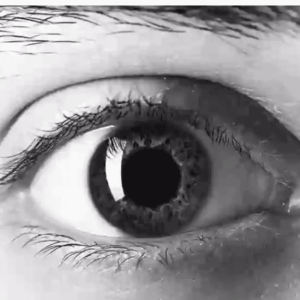
In later stages, the pupil may look gray or white, and vision can get so poor that you may only be able to count fingers or see shapes.
Types of Senile Cataract
Doctors classify cataracts based on where the cloudy area is inside the lens.
|
Nuclear Cataract
|
Center of the lens becomes yellow or brown | Blurred distance vision, better near vision (“second sight”) |
|
Cortical Cataract
|
Wedge-shaped opacities starting at the edges | Glare and halos around lights |
|
Posterior Subcapsular Cataract
|
Opacity near the back of the lens capsule | Rapid vision decline, strong glare, worse reading vision |
|
Mixed Cataract
|
Combination of types | Variable symptoms |
Diagnosis and Eye Examination
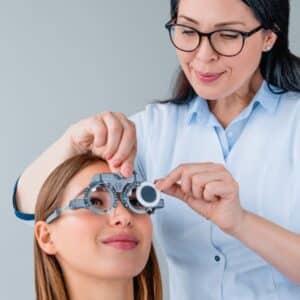
Your eye doctor will perform several tests to determine whether you have a cataract and how much it affects your vision.
- Visual Acuity Test – measures clarity of sight using eye charts.
- Slit-Lamp Examination – magnified view of the cornea, iris, and lens to locate opacities.
- Pupil Dilation Exam – provides a full view of the lens and retina.
- Tonometry – measures intraocular pressure.
- Retinal Evaluation – ensures there are no associated diseases, such as macular degeneration.
These tests help your doctor decide if you need surgery and check for other causes of vision loss.
Can Senile Cataract Be Prevented?
You cannot stop aging, but you can slow down cataract progression by taking care of your eyes and your overall health.
- Wear UV-protective sunglasses outdoors.
- Eat foods rich in antioxidants (vitamins A, C, and E).
- Control diabetes and avoid smoking.
- Use protective eyewear to avoid injury.
- Have regular eye exams after age 50 to detect early signs.
There are no medicines or eye drops that can reverse cataracts. Once your vision is affected, surgery is the only way to restore clear vision.
Cataract Surgery: The Definitive Treatment
Cataracts do not usually require immediate treatment. Many people live with early cataracts for years. Surgery is usually recommended when vision changes start to interfere with daily activities, such as reading, driving, or recognizing faces.
When that point is reached, cataract surgery is the most effective and reliable solution. It is one of the most common surgeries worldwide and has a very high success rate. More than 95% of people experience significant improvement in their vision after the procedure.
How Cataract Surgery Works
During cataract surgery, your cloudy lens is removed and replaced with a clear artificial lens called an intraocular lens (IOL). This new lens helps focus light so you can see clearly again.
The surgery is planned specifically for your eye, and most of the time, you will not need stitches.
Modern Surgical Techniques
Modern cataract surgery techniques are highly refined and minimally invasive.
The most common method is phacoemulsification. This uses ultrasound energy to break the cloudy lens into tiny pieces, which are then removed through a very small incision.
In some cases, surgeons may use femtosecond laser-assisted cataract surgery (FLACS). This approach uses laser technology to perform certain steps of the procedure with extra precision, such as making incisions or softening the lens before removal.
Your eye doctor will recommend the technique best suited to your eyes and overall health.
Intraocular Lens (IOL) Choices
One advantage of modern cataract surgery is that you can choose an artificial lens that matches your visual needs.
Some lenses are designed to provide clear vision at a single distance, usually for seeing far away. Others can reduce your need for glasses by improving vision at multiple distances, such as near, intermediate, and far. Special lenses are also available to correct astigmatism.
Your surgeon will discuss these options with you before surgery and help you choose the lens that best fits your lifestyle and vision needs.
What to Expect During Recovery
Cataract surgery is usually done as an outpatient procedure, so you go home the same day. The surgery itself usually takes about 10 to 20 minutes per eye.
Many people notice clearer vision within a few days, although it is normal for vision to fluctuate as the eye heals. Full recovery usually takes about four to six weeks.
During this time, you will use prescription eye drops to reduce inflammation and prevent infection. Follow-up visits allow your eye doctor to monitor healing and make sure everything is progressing as expected.
With proper care and follow-up, cataract surgery offers a safe and lasting improvement in vision for most people.
Possible Complications (Rare but Important)
- Transient inflammation or corneal swelling
- Infection (endophthalmitis – extremely rare)
- Posterior capsule opacification (“secondary cataract”)
- Retinal detachment (very rare)
- IOL dislocation (rare)
Most problems after surgery can be treated if detected early during your follow-up visits.
FAQ
Can cataracts go away without surgery?
No. Once a cataract forms, it will not go away on its own. Surgery is the only way to treat it.
No. Once a cataract forms, it will not go away on its own. Surgery is the only way to treat it.
Is cataract surgery painful?
No. Cataract surgery is done with local anesthesia, so you will not feel any pain during the procedure.
No. Cataract surgery is done with local anesthesia, so you will not feel any pain during the procedure.
How long does cataract surgery take?
The surgery usually takes about 15 to 20 minutes for each eye, and you can go home the same day.
The surgery usually takes about 15 to 20 minutes for each eye, and you can go home the same day.
Can both eyes be operated on at the same time?
Usually, each eye is done separately, with about one to two weeks between surgeries.
Usually, each eye is done separately, with about one to two weeks between surgeries.
When should I consider surgery?
If cataracts start to make it hard to read, drive, or see faces, talk to your eye doctor about surgery.
If cataracts start to make it hard to read, drive, or see faces, talk to your eye doctor about surgery.
Conclusion
- Senile cataract is a normal part of getting older and is not caused by anything you did wrong.
- It is the leading cause of reversible blindness worldwide.
- Finding cataracts early and having surgery when needed can safely bring back clear vision.
- Wearing sunglasses, eating a healthy diet, and keeping diabetes under control can help delay the onset of cataracts.
- Cataract surgery is a safe and effective procedure that helps millions of people see clearly every year.
References
- American Academy of Ophthalmology (AAO). Cataract in the Adult Eye – Preferred Practice Pattern®, 2023.
- National Eye Institute (NEI). Facts About Cataract.
- World Health Organization (WHO). Global Action Plan for Universal Eye Health 2014–2019.
- Awasthi N, Guo S, Wagner BJ. Posterior Capsular Opacification: A Problem Reduced but Not Yet Eradicated. Arch Ophthalmol. 2009.
- Trivedi RH, Werner L. Cataract and Intraocular Lens Surgery. Curr Opin Ophthalmol. 2017.