


Cataract: Causes, Symptoms, Types, Surgery, Recovery & Costs

Cataracts

What Is a Cataract?

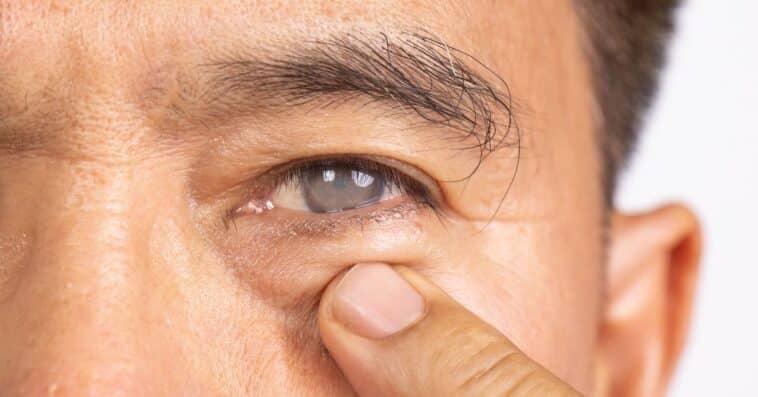
A cataract is a cloudy area in the lens of your eye. When you have one, your vision can get blurry, hazy, or dim. Light doesn’t pass through as well, so things might look faded or unclear, almost like you’re looking through a foggy window.

Cataracts form when proteins in your lens break down and clump together. This makes it harder for your eye to focus light, so your vision slowly gets worse. The good news is that cataracts are common and can be treated.

How Cataracts Affect Vision

As a cataract gets worse, it can affect your vision in a lot of ways:
  • Blurred or cloudy vision that cannot be fully corrected with glasses
  • Increased sensitivity to bright light and glare, especially from headlights or sunlight
  • You might notice things look flat or washed out. It gets harder to tell objects apart from their backgrounds.
  • Poor night vision is often one of the earliest complaints.
  • Fading or yellowing of colors, particularly blues and purples
  • Frequent changes in eyeglass prescription with limited improvement

If your cataracts get worse, it can be hard to do everyday things like reading, driving, or seeing people’s faces. Cataracts can cause serious vision loss if you don’t treat them, but they won’t damage your eye forever.

Why Cataracts Are Common With Aging
Cataracts are more likely as you get older. That’s because your eyes change with age, which increases your risk.
  • The lens is exposed to oxidative stress over the course of decades.
  • Lens proteins gradually lose their normal structure.
  • The lens becomes less flexible, thicker, and more opaque.
  • The eye’s ability to repair cellular damage decreases with age.
By age 60, it’s common to have early signs of cataracts, even if you can still see well. Most people over 80 have cataracts in at least one eye.

Getting older doesn’t mean you’ll definitely get cataracts, but it does make them more likely. Other things, like too much sun, smoking, diabetes, taking steroids, or family history, can make cataracts show up earlier.

 Types of Cataracts
 
Not all cataracts are the same. They can start at different ages, have different causes, or show up in different parts of the lens.

Here are the main types, but cataracts can vary a bit for everyone.

  • A- Age-Related Cataracts
Age-related cataracts are a normal part of aging and usually appear after age 50. Over time, the proteins in your lens slowly break down and clump together, making the lens cloudy.

This kind usually gets worse slowly. It can affect one or both eyes. Sometimes one eye is worse than the other.

  • Congenital Cataracts
Congenital cataracts are present at birth or show up when a child is very young. They can be caused by genetic conditions, infections before birth, metabolic problems, or sometimes for no clear reason.
It’s important to find congenital cataracts early. If they aren’t treated, they can interfere with normal vision development and may cause permanent vision loss.
Read more:Congenital Cataracts in Children: Diagnosis and Management.
  • Traumatic Cataracts
Traumatic cataracts happen after an eye injury. Sometimes the cataract shows up right away. Other times, it can take months or even years to develop.
Physical injuries, electrical injuries, or radiation can all damage the lens and lead to cataracts.
  • Secondary Cataracts
Secondary cataracts develop because of another medical condition or as a side effect of treatment. Some common causes are:
  • Diabetes
  • Long-term corticosteroid use
  • Previous eye surgery
  • Chronic eye inflammation
These types of cataracts can worsen more quickly than age-related cataracts.
Read more:Secondary Cataracts: Causes and Risk Factors.
 
  • B-Cataracts Classified by Location in the Lens
Cataracts are also grouped by where the cloudiness is in your lens. Each type can affect your vision differently.
Nuclear Cataracts
Nuclear cataracts form in the center of your lens. They often cause:
  • Gradual yellowing or browning of vision
  • Reduced distance vision
  • Temporary improvement in near vision (second sight)
Read more:Nuclear Cataracts: Symptoms and Progression.
Cortical Cataracts
Cortical cataracts start at the outer edges of your lens and move inward. They often cause:
  • Glare and light sensitivity
  • Difficulty with contrast
  • Problems with night driving
Read more:Cortical Cataracts Explained.
 
Posterior Subcapsular Cataracts (PSC)
Posterior subcapsular cataracts form near the back of your lens and usually progress more quickly than other types. They often cause:
  • Severe glare from lights
  • Difficulty reading
  • Poor vision in bright conditions
PSC cataracts are more common in younger people, people with diabetes, and people who use steroid medicines.

Early Signs and Symptoms of Cataracts

What are the early signs of cataracts?
Early cataract symptoms include blurry or cloudy vision, increased glare, difficulty seeing at night, faded colors, and a need for new glasses more often. These changes usually come on slowly and don’t hurt.
 

Early cataract symptoms are often subtle and painless, so many people don’t realize a cataract is starting. Vision changes usually happen slowly and can seem like normal aging or just tired eyes.

It’s important to catch these early signs. If you find cataracts early, your doctor can monitor them and plan treatment if needed.

Common Early Symptoms of Cataracts

Blurry or cloudy vision
Your vision might look a little hazy, foggy, or less sharp than before. Getting new glasses usually doesn’t fix this blur.

Increased glare and light sensitivity
Bright sunlight, headlights, or even indoor lights might feel uncomfortable or too bright. Glare is often one of the first and most noticeable symptoms.

Difficulty seeing at night
Many people with early cataracts have trouble driving at night because of glare, halos around lights, or trouble seeing well in the dark.

Colors appear faded or yellowed.
Colors may not look as bright, and whites can start to look yellow or dull. This change happens slowly, so you might not notice it at first.

Frequent changes in eyeglass prescription
If you need stronger glasses more often but they don’t really help, that’s a common early warning sign.

Double vision in one eye (monocular diplopia)
Some people see ghost images or double vision in one eye, and closing the other eye doesn’t make it go away.

Symptoms People Often Overlook
  • Trouble reading small print in normal lighting
  • Needing brighter light for close work
  • Reduced contrast between objects and backgrounds
  • You might just feel like your vision is not quite right, even with glasses.

These symptoms can come and go at first, so you might think your vision problems are just temporary.

Do Early Cataracts Cause Eye Pain?

No. Cataracts do not cause eye pain, redness, or itching. If pain is present, another eye condition, such as glaucoma, inflammation, or dry eye, should be considered.

Because cataracts don’t hurt, they can get worse for years before you even notice.

How Cataracts Are Diagnosed

Cataracts are diagnosed through a comprehensive eye examination. An eye doctor can often detect cataracts before vision is significantly affected, enabling proper monitoring and timely treatment.

The exam is painless and doesn’t involve any needles or surgery. It’s usually part of your regular eye check-up.

Cataract Diagnosis: Patient-Friendly Explanation

How are cataracts diagnosed?
Cataracts are diagnosed through a comprehensive eye exam that includes visual acuity testing, refraction, slit lamp examination, and pupil dilation. These tests allow an eye doctor to detect cataracts and assess their impact on vision.

If you’re having blurry vision, glare, or trouble seeing at night, your eye doctor will start by asking about your symptoms and how they affect your daily life, like reading or driving.

Next, your doctor will use specialized tools to examine your eye and assess the clarity of your lens. These tests help figure out:
  • Whether a cataract is present
  • How advanced it is
  • Whether it is the main cause of your vision problems

Many people are surprised to find out they have early cataracts, even when their symptoms are mild.

Clinical Evaluation of Cataracts (Medical Perspective)
From a clinical standpoint, cataract diagnosis relies on direct visualization of lens opacification combined with functional vision assessment.
1- Visual Acuity Testing
Measures how clearly you see at distance and near using standardized eye charts. Reduced acuity that does not fully improve with refraction may suggest cataract progression.
2- Refraction Test
Determines whether vision changes are due to refractive error or lens opacity. Frequent prescription changes with diminishing improvement are a common cataract clue.
3- Slit Lamp Examination
This is the key diagnostic test for cataracts.
Using a high-magnification microscope, the eye doctor examines:
  • The cornea
  • The anterior chamber
  • The crystalline lens
This allows precise identification of cataract type (nuclear, cortical, or posterior subcapsular) and severity.
4- Dilated Eye Examination
Eye drops are used to widen the pupils so the doctor can fully assess:
  • Lens clarity
  • Retina and macula
  • Optic nerve health

Dilation is essential to rule out other conditions that may cause similar symptoms, such as macular degeneration or diabetic retinopathy.

5- Glare and Contrast Sensitivity Testing (When Needed)

Some people have a lot of trouble seeing, even if their vision seems pretty good on the eye chart. In these cases, glare testing can help show vision loss caused by cataracts, especially posterior subcapsular cataracts.

Can Cataracts Be Seen Without Special Tests?

When cataracts are moderate or advanced, your doctor might be able to see them during a basic exam. But early cataracts are usually invisible to the naked eye and need a special microscope to find them.

When Is Cataract Surgery Necessary?

You might need cataract surgery when cataracts start to get in the way of your daily life and glasses, contacts, or better lighting don’t help enough.

There’s no set stage or size for cataract removal. The decision depends on how much your vision is affecting what you need and want to do each day.
 
The Simple Rule Doctors Use:
Doctors usually recommend cataract surgery when vision loss starts to affect your quality of life.

This may include difficulty with:
  • Driving, especially at night
  • Reading or using digital screens
  • Working or recognizing faces
  • Managing glare from lights or sunlight
  • Performing daily tasks safely and comfortably

If cataracts keep you from doing things safely or normally, surgery is usually the best choice.

Signs You May Need Cataract Surgery
Cataract surgery is often considered when one or more of the following occur:
  • Vision remains blurry despite updated glasses.
  • Increasing glare makes night driving unsafe.
  • Colors appear dull or yellowed.
  • Double vision persists in one eye.
  • Frequent prescription changes provide little benefit.
  • Vision interferes with work, hobbies, or independence.

These symptoms mean the cataract is causing real problems, even if it doesn’t look advanced to your doctor.

Is There Such a Thing as Too Early for Cataract Surgery?
No. Cataracts don’t need to be fully mature before surgery. These days, cataract surgery can be done safely even when symptoms are just starting to affect your daily life.
In fact, waiting too long can:
  • Make surgery more technically difficult.
  • Increase the risk of complications.
  • Prolong unnecessary visual impairment.

Getting surgery earlier is often safer and helps you recover faster.

Is It Dangerous to Delay Cataract Surgery?
In many cases, cataracts can be watched safely for a while. But waiting too long for surgery can be a problem if:
  • Vision loss increases the risk of falls or accidents.
  • Cataracts prevent proper monitoring of the retina or optic nerve.
  • Other eye diseases (such as glaucoma and diabetic retinopathy) require clear visualization.
  • Cataracts progress to very dense or advanced stages.
Your eye doctor will help you decide whether to continue monitoring your cataracts or proceed with surgery.
 

Cataract Surgery Explained

How is cataract surgery performed?
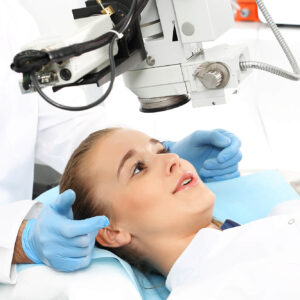
During cataract surgery, your doctor removes the cloudy lens in your eye with ultrasound and replaces it with a clear artificial one. The whole thing is painless, done as an outpatient, and usually takes less than 20 minutes.
 
Cataract surgery is among the most common and successful procedures worldwide. It’s safe, quick, and very effective at restoring clear vision.

Knowing what happens during surgery can help you feel less nervous and make good choices about your care.

Step 1: Pre-Surgery Evaluation
Before surgery, your eye doctor performs detailed measurements to:
  • Confirm cataract severity
  • Assess eye health (retina, cornea, optic nerve)
  • Measure the eye for lens implant selection.

You and your doctor will talk about which lens is best for you, based on how you use your eyes every day and what you want to see clearly.

Step 2: Anesthesia and Preparation
On the day of surgery:
  • You’ll go home the same day.
  • Your doctor will use numbing eye drops, so you won’t need to be put to sleep.
  • You’ll be awake, but you won’t feel any pain.
  • The eye is cleaned and covered with a sterile drape.

The surgery doesn’t hurt.

Step 3: Removing the Cloudy Lens (Phacoemulsification)
The most common technique is phacoemulsification:
  • A tiny incision is made at the edge of the cornea.
  • They use ultrasound to break up the cloudy lens into small pieces.
  • Those pieces are gently suctioned out.

The cut is so small that it usually doesn’t need stitches.

Step 4: Implanting the Artificial Lens (IOL)
Once the cataract is removed:
  • A clear artificial lens is put in your eye.
  • The lens unfolds and is positioned securely.
  • It stays in the eye permanently.

It helps you focus and see clearly again.

Step 5: Completion and Recovery
The whole surgery usually takes just 10 to 20 minutes. After a short time to recover, you’ll go home the same day with:
  • Protective eye shield
  • Prescription eye drops
  • Post-operative instructions
How is cataract surgery performed?
Cataract surgery involves removing the cloudy natural lens using ultrasound and replacing it with a clear artificial lens. The procedure is painless, performed on an outpatient basis, and usually takes less than 20 minutes.

Cataract Surgery Recovery Timeline

How long does cataract surgery recovery take?

Recovery is usually quick and easy, and most people see better soon after surgery.

Day 0: Surgery Day
  • Vision may be blurry or hazy.
  • Mild discomfort or a scratchy sensation is normal.
  • An eye shield is worn, especially during sleep.
  • Avoid rubbing the eye.
Most people start to see better within a few hours.
Day 1–3
  • Vision becomes clearer each day.
  • Mild redness or light sensitivity may persist.
  • Eye drops are used several times daily.
  • Normal activities like walking and reading are allowed.
Driving may resume if your vision is adequate and approved by your doctor.
Week 1
  • You’ll probably notice things look much clearer and brighter.
  • Glare usually decreases
  • Light exercise is permitted.
  • Avoid swimming, heavy lifting, or eye makeup.
Your doctor will check your eye to make sure it’s healing well.
Weeks 2–4
  • Vision stabilizes further
  • Most restrictions are lifted.
  • Prescription glasses (if needed) can be finalized.
For most people, this is when their vision settles, and they see their best.
1 Month and Beyond
  • Full healing is complete.
  • You’ll probably stop using eye drops around this time.
  • Your long-term vision results are now set.
What Is Normal During Recovery?
✔ Mild blur
✔ Light sensitivity
✔ Foreign body sensation
When to Call Your Doctor
  • Severe pain
  • Sudden vision loss
  • Increasing redness or discharge
 Best Lens After Cataract Surgery

What is the best lens after cataract surgery?
The best lens for you depends on what you want to see clearly. Monofocal lenses help you see far away, while multifocal and EDOF lenses can help you need glasses less often. Toric lenses are made to fix astigmatism. 
Picking the right lens is a big decision. The best choice depends on your eyes, your daily life, and what you want to see clearly.
Types of Intraocular Lenses (IOLs)


How to Choose the Best IOL for You:

What is the best lens after cataract surgery?
The best lens after cataract surgery depends on your vision needs. Monofocal lenses provide clear distance vision, while multifocal and EDOF (extended depth-of-focus) lenses can reduce reliance on glasses. Toric lenses are designed to correct astigmatism.
 
Your eye doctor will consider:
  • Whether you want to reduce dependence on glasses
  • Presence of astigmatism
  • Retinal or corneal conditions
  • Night driving sensitivity
  • Budget and insurance coverage

There isn’t one lens that’s best for everyone. The right one is the one that fits your eyes and your life.

Are Premium Lenses Worth It?
Premium IOLs (multifocal, EDOF, toric) may:
  • Reduce dependence on glasses.
  • Improve convenience and quality of life.
However, they may:
  • Increase cost
  • Causes glare or halos in some patients.
It’s important to talk with your doctor about your options.

Cataract Surgery Risks & Complications

What are the risks of cataract surgery?
Problems from cataract surgery are rare. They can include infection, swelling, retinal detachment, or a cloudy lens capsule later on. Most of these can be treated, and the surgery works well for more than 98 out of 100 people.
 
Cataract surgery is one of the safest and most successful surgeries you can have. It works well for almost everyone, but, as with any surgery, there are risks. Most are rare and can be treated.

Knowing about these risks can help you make good choices and not worry more than you need to.

Common and Mild Side Effects (Temporary)
These effects are normal and usually resolve within days to weeks:
  • Mild eye discomfort or scratchy sensation
  • Light sensitivity
  • Temporary blurred vision
  • Mild redness
  • Watery eyes
These symptoms are normal while your eye heals and are usually easy to manage with the drops your doctor gives you.
Less Common Complications
Although uncommon, the following may occur:
Infection (Endophthalmitis)
  • Very rare but serious
  • Causes pain, redness, and vision loss
  • Requires urgent treatment
Inflammation
  • Swelling inside the eye
  • Usually responds well to anti-inflammatory drops.
Increased Eye Pressure
  • Often temporary
  • Monitored closely after surgery
Rare but Serious Complications
These occur in a small percentage of cases:
Posterior Capsule Opacification (PCO)
  • Sometimes called a “secondary cataract.”
  • Causes blurry vision months or years later
  • Easily treated with a quick, painless laser procedure (YAG capsulotomy)
Retinal Detachment
  • Rare, but more likely in high myopia or previous eye disease
  • Symptoms include flashes, floaters, or curtain-like vision loss.
Lens Implant Issues
  • Lens displacement or incorrect power (uncommon)
  • It can usually be corrected
How Risks Are Minimized
Eye doctors reduce risks by:
  • Thorough pre-surgery evaluation
  • Sterile surgical techniques
  • Advanced imaging and measurements
  • Post-operative follow-up
For most people, the benefits of cataract surgery outweigh the risks.

 

Cataract Surgery Cost

How much does cataract surgery cost?

How much you pay for cataract surgery depends on your insurance, the type of lens you choose, and what your doctor uses during surgery. If you know about these choices in advance, you can plan and avoid any surprise bills.

Is Cataract Surgery Covered by Insurance?
Most of the time, insurance or national health plans will cover basic cataract surgery if your eye doctor says you need it.
Typically covered:
  • Pre-operative exams
  • Surgery procedure
  • Monofocal intraocular lens (IOL)
  • Post-operative care.
A monofocal lens helps you see things far away, but you’ll probably still need glasses for reading or seeing things up close.

Out-of-Pocket Costs: What Patients May Pay
Even if you have insurance, there are still some things you may need to pay for yourself, like:
  • Copays or deductibles
  • Fees for upgraded technology
  • Additional testing
How much you pay can depend on where you live, which clinic you choose, and your surgeon.

Premium Lenses: Additional Cost, Added Convenience
Insurance usually doesn’t cover premium lenses, so you’ll need to pay the extra cost yourself.
Common Premium Lens Options
Lens Type   Extra Cost           Benefit
Multifocal    Higher        Reduces need for reading glasses
EDOF   Moderate–High        Better intermediate vision
Toric     Moderate         Corrects astigmatism
 
Premium lenses can help you need glasses less often, but some people notice glare or halos with them. 

Is a Premium Lens Worth the Cost?
Premium lenses may be worth it if:
  • You want more freedom from glasses.
  • You use screens or read frequently.
  • You have astigmatism
They may not be ideal if:
  • You frequently drive at night.
  • You have certain retinal conditions.
  • Budget is a concern
Do Cataracts Cause Blindness?
If cataracts aren’t treated, they can cause serious vision loss. But in most cases, cataract-related blindness can be reversed. Surgery usually restores your vision if your retina and optic nerve are healthy.
Cataracts won’t cause permanent blindness if you get them treated. But if you wait too long, they can make it very hard to see or do things by yourself.

What Happens If Cataracts Are Left Untreated?
Without treatment, cataracts may:
  • Progress slowly or rapidly
  • Causes serious vision problems.
  • Increase the risk of falls and accidents.
  • Prevent proper monitoring of other eye diseases.
If cataracts get very advanced, they can become thick and harder for your doctor to remove.

Is Cataract Blindness Reversible?
Yes. Cataract-related vision loss is usually fully reversible with surgery, even if the cataract is advanced, as long as your retina and optic nerve are healthy.
That’s why cataract surgery is one of the best ways to help people get their vision back.

When Cataracts Are More Dangerous?
Untreated cataracts may pose a higher risk when:
  • Combined with glaucoma or diabetes
  • Vision loss affects safety.
  • Retinal disease cannot be monitored.
  • Cataracts become extremely advanced.
Finding cataracts early can help you avoid these problems.

Frequently Asked Questions

Can cataracts go away?
No, cataracts don’t go away on their own. You can’t get rid of them with medicine, eye drops, or by changing your habits. Sometimes stronger glasses or better lighting can help for a while, but cataracts will keep worsening. Once your vision is really affected, surgery is the only way to fix it.

Is cataract surgery painful?
No, cataract surgery doesn’t hurt. Your doctor will use numbing drops, so you shouldn’t feel pain during the procedure. After surgery, your eye might feel a little scratchy or irritated, but this usually goes away in a few days with the eye drops your doctor gives you.

How fast do cataracts grow?
Most cataracts grow slowly, often over months or years. But some types, like those caused by diabetes or an injury, can get worse faster. How quickly they grow depends on your age, your health, and the kind of cataract you have.

Can cataracts come back after surgery?
No, cataracts can’t come back once your cloudy lens is removed. Sometimes, months or years after surgery, you might get blurry vision from something called a secondary cataract. This is common and can be fixed quickly and painlessly with a laser.

Can cataracts cause headaches?
Cataracts don’t directly cause headaches. But if you’re straining your eyes, squinting, or dealing with glare because of cataracts, you might get a headache. If you keep having headaches, talk to your doctor to make sure nothing else is causing them.

Conclusion

Cataracts are a normal part of getting older, but they don’t have to mean you’ll lose your vision for good. Cataracts usually come on slowly and start with small changes in how you see. The good news is they’re very treatable. Modern cataract surgery is safe and can restore your vision for years to come.

Knowing the causes, symptoms, types, diagnosis, treatment options, risks, and costs of cataracts can help you spot early changes in your vision and make informed choices. Cataract surgery isn’t based on your age or how the cataract looks, but on how much your vision loss affects your daily life.

If you keep having blurry vision, glare, trouble driving at night, or need new glasses often, get a full eye exam. Your doctor can determine whether cataracts are the cause and whether you need treatment. Finding cataracts early means you can get the right care at the right time and keep your vision as clear as possible.
 
Conjunctivitis

The Ultimate Guide to Understanding Conjunctivitis 

Cataract surgery cost

How Much Does Cataract Surgery Cost?