

Contents
hide
Glaucoma and cataracts are two of the most common eye conditions that affect adults, particularly after age 40. Both conditions can cause vision loss, but they are not the same disease and do not damage the eye in the same way.
According to the World Health Organization (WHO), cataracts are the leading cause of blindness worldwide. Glaucoma, however, is the leading cause of irreversible blindness.
It is important to understand the difference between these two conditions.
One of these conditions causes vision to become cloudy.
The other condition gradually damages the optic nerve without obvious symptoms at first.
The other condition gradually damages the optic nerve without obvious symptoms at first.
Understanding how these conditions differ can help you take steps to keep your eyes healthy.
Main Difference Between Glaucoma and Cataracts
A simple way to understand the difference between glaucoma and cataracts is to look at where the damage occurs in the eye.
- Glaucoma causes damage to the optic nerve, which is the structure that connects your eye to your brain.
- Cataracts develop when the natural lens inside your eye becomes cloudy.
Both glaucoma and cataracts can affect your vision, but only glaucoma causes permanent damage to the optic nerve.
What Is Glaucoma?
Globally, glaucoma affects more than 76 million people and is expected to increase as populations age.
Glaucoma is a group of eye diseases that damage the optic nerve. In many cases, this damage is related to elevated pressure inside the eye (intraocular pressure), although glaucoma can occur even when eye pressure is normal.
The American Academy of Ophthalmology (AAO) emphasizes that glaucoma often has no warning signs in the early stages. Many patients feel completely fine while gradual nerve damage is occurring.
Because glaucoma damage is irreversible and often silent, it is frequently called the silent thief of sight.
Over time, untreated glaucoma can cause:
- Loss of side (peripheral) vision
- Difficulty seeing in dim light
- Tunnel vision
- Permanent blindness
Vision loss from glaucoma cannot be restored. Treatment aims to slow or halt the progression of the disease.
What Are Cataracts?
A cataract happens when the clear lens inside the eye becomes cloudy.
The cloudy lens blocks light from reaching the retina clearly. This causes blurred or hazy vision.
Cataracts usually develop slowly and do not cause pain, unlike some forms of glaucoma.
Common symptoms include:
- Blurry or cloudy vision
- Glare from headlights
- Difficulty driving at night
- Faded or yellowed colors
- Frequent changes in glasses prescription
Cataracts are usually treatable. Cataract surgery removes the cloudy lens and replaces it with a clear artificial lens. This can restore vision.
Most people see much better after cataract surgery.
Which Condition Is More Dangerous?
Both glaucoma and cataracts are serious eye conditions, but they affect vision in different ways.
Glaucoma is often considered more dangerous because:
- It can develop without symptoms.
- Vision loss is permanent.
- Many patients are unaware they have it until damage has occurred.
Cataracts are common, but vision loss from cataracts is usually reversible with surgery.
For this reason, regular eye exams are very important, especially for adults over age 40.
Risk Factors: Who Is at Higher Risk?
Glaucoma can affect anyone, but some people have a higher chance of developing it.
You may be at increased risk if:
- You are over 60. The risk of glaucoma rises as we get older.
- Glaucoma runs in your family. If a parent or sibling has it, your risk is higher.
- You are African American, Hispanic/Latino, or Asian. Certain types of glaucoma are more common in these populations.
- You have diabetes or high blood pressure. These conditions can affect the health of your optic nerve.
- You have thin corneas. Corneal thickness can influence eye pressure measurements and glaucoma risk.
- You have had an eye injury or trauma in the past.
Having one or more of these risk factors does not mean you will definitely develop glaucoma. But it does mean regular comprehensive eye exams are especially important for early detection.
Because glaucoma often develops without symptoms, people who are at higher risk should have routine comprehensive eye exams. These exams should include evaluation of the optic nerve and visual field testing.
Risk Factors for Cataracts
Cataracts are strongly linked to aging, but certain factors can increase your risk of developing them.
- Diabetes
- Smoking
- Long-term steroid use
- Excessive UV exposure
- Previous eye injury
- Family history
The Centers for Disease Control and Prevention (CDC) estimates that more than 20 million Americans aged 40 and older have cataracts in at least one eye.
Symptoms: How They Feel Different
One of the main differences between glaucoma and cataracts is how they affect your vision.
Glaucoma Symptoms
In the early stages, glaucoma usually does not cause any symptoms you can notice.
As glaucoma gets worse, you may notice:
- Loss of side vision
- Trouble adjusting to darkness
- Halos around lights
In acute angle-closure glaucoma (a medical emergency), symptoms can include:
- Severe eye pain
- Headache
- Nausea
- Sudden blurred vision
Acute angle-closure glaucoma is a medical emergency and requires immediate treatment to prevent vision loss.
Cataract Symptoms
Cataracts usually cause symptoms like:
- Gradual blurring
- Increased glare
- Difficulty with night driving
- Colors appearing dull
Cataracts do not usually cause pain or discomfort.
How Doctors Diagnose Them
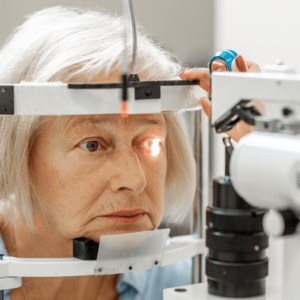
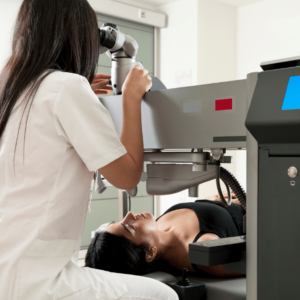
A comprehensive eye exam is essential for diagnosing both glaucoma and cataracts.
Glaucoma Testing May Include:
- Tonometry (eye pressure measurement)
- Optical Coherence Tomography (OCT)
- Visual field testing
- Optic nerve examination
- Angle evaluation (gonioscopy)
Cataract Diagnosis Includes:
- Visual acuity testing
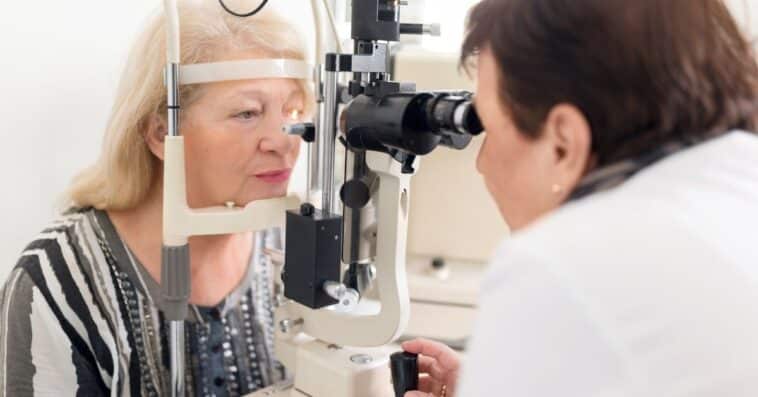
- Slit-lamp examination
- Dilated lens evaluation
During an eye exam, your ophthalmologist can often see a cataract directly by examining the lens of your eye.
Treatment: Very Different Strategies
Glaucoma Treatment
The goal is to lower eye pressure and protect the optic nerve.
Treatment options include:
- Prescription eye drops
- Laser therapy
- Minimally invasive glaucoma surgery (MIGS)
- Traditional glaucoma surgery
People with glaucoma require lifelong monitoring to help preserve their vision.
Cataract Treatment
In the early stages, cataracts may be managed with stronger glasses or improved lighting.
If cataracts start to make daily activities hard or affect your quality of life, surgery is usually recommended.
Cataract surgery is one of the most commonly performed surgical procedures in the world and is considered very safe.
Can You Have Both?
Yes, it is possible to have both glaucoma and cataracts at the same time.
Many older adults are diagnosed with both cataracts and glaucoma.
In some cases, cataract surgery can help lower eye pressure. Sometimes, your doctor may recommend a combined procedure to address both conditions.
Your ophthalmologist will recommend a treatment plan that is tailored to your specific needs.
Prevention: What You Can Do
Although neither glaucoma nor cataracts can be completely prevented, there are steps you can take to reduce your risk.
To Reduce Glaucoma Risk:
- Get regular eye exams.
- Exercise regularly
- Manage blood pressure and diabetes.
- Protect your eyes from injury.
To Reduce Cataract Risk:
- Wear UV-protective sunglasses
- Quit smoking
- Eat a healthy diet rich in antioxidants.
- Control blood sugar
Finding these conditions early is the most important step in managing glaucoma and cataracts.
Final Takeaway
Glaucoma and cataracts both affect vision. They are different conditions with different effects.
- Glaucoma damages the optic nerve and causes permanent vision loss.
- Cataracts cloud the lens, but vision loss is usually reversible with surgery.
The most important difference is that glaucoma can get worse for years before you notice symptoms.
If you are over 40, have risk factors, or notice changes in your vision, schedule a full eye exam. Early detection is the best way to prevent permanent vision loss from glaucoma.
Protecting your vision starts with knowing the difference and taking action before symptoms appear.