


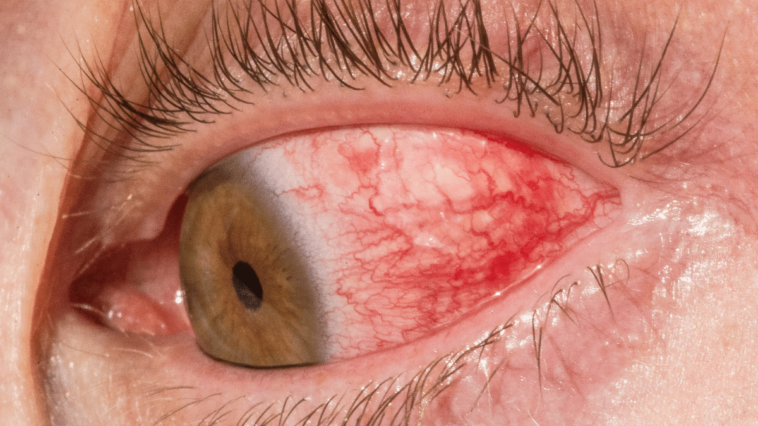
Red eyes are a common concern. They can make the whites of your eyes look pink, irritated, or bloodshot. Most of the time, red eyes are harmless and go away on their own. But sometimes, red eyes can be a sign of an underlying eye problem that needs medical attention.
Many things can cause your eyes to become red. Common causes include dryness, allergies, infections, eye strain, and inflammation. Sometimes, red eyes can be a sign of a more serious condition like glaucoma or uveitis. Knowing what can cause red eyes can help you decide if home care is enough or if you should see your eye doctor.
What Causes Red Eyes?
Red eyes develop when the small blood vessels on the surface of the eye become enlarged or irritated. This may result from mild irritation or from a more serious underlying medical condition.
Here are some of the most common reasons your eyes might look red.
➤ Common Causes of Red Eyes
| Cause | How It Affects the Eyes |
|
Allergies
|
Trigger inflammation, itching, and redness |
|
Dry eye
|
Tears evaporate too quickly or are low quality |
|
Eye infections
|
Bacterial or viral infections cause redness and discharge |
|
Eye strain
|
Long screen time reduces blinking |
|
Environmental irritation
|
Wind, smoke, pollution, or dry air |
|
Foreign objects
|
Dust or debris irritates the eye surface |
|
Conjunctivitis (pink eye)
|
Inflammation of the conjunctiva |
|
Uveitis
|
Inflammation of the middle layer of the eye |
|
Scleritis
|
Painful inflammation of the white part of the eye |
|
Episcleritis
|
Mild inflammation of tissue over the sclera |
|
Subconjunctival hemorrhage
|
Broken blood vessel causing a red patch |
|
Corneal abrasion
|
Scratch or injury to the cornea |
Common Medical Causes of Red Eyes Explained
Red eyes may develop for a variety of reasons, ranging from mild irritation to more significant inflammation. In some cases, redness is caused by allergies or exposure to dry air. In other cases, infections or intraocular inflammation may be responsible.
Red eyes can look the same in many different conditions. That’s why it’s important to find out what is causing your red eyes before starting treatment. Knowing the cause helps you get the right care and lowers your risk of complications or vision problems.
✔ Allergies
Allergens like pollen, dust, or pet dander can make your eyes red, itchy, and watery. Allergic eye redness usually affects both eyes and can happen during certain seasons or when you are around specific triggers.
✔ Dry Eye Disease
When the eyes do not produce enough tears, or when tears evaporate too quickly, the surface of the eyes can become irritated. Dry eye disease is one of the most common causes of ongoing eye redness.
✔ Eye Infections
Bacterial or viral infections may cause redness, discharge, swelling, and discomfort in the eyes. Conjunctivitis, also called pink eye, is a common infection that frequently affects children.
✔ Eye Strain
Prolonged use of digital screens can reduce the frequency of blinking, which may lead to dry, irritated, and red eyes.
✔ Uveitis
Uveitis refers to inflammation inside the eye. It can cause redness, pain, light sensitivity, floaters, and blurred vision. Uveitis is a serious condition that requires prompt medical treatment.
✔ Scleritis and Episcleritis
Scleritis and episcleritis are inflammatory conditions that affect the outer layers of the eye. Scleritis is generally more severe and painful, while episcleritis is usually mild and often resolves without treatment.
✔ Subconjunctival Hemorrhage
Occasionally, a small blood vessel may rupture beneath the surface of the eye, resulting in a bright red patch. Although this may appear concerning, it is usually harmless and does not cause pain.
How to Get Rid of Red Eyes
The best way to treat red eyes depends on the cause. Many mild cases get better with simple home care.
➤ Effective Ways to Reduce Red Eyes
- Artificial tears can help keep your eyes moist if they are dry.
- A cold compress can help reduce swelling and soothe your eyes.
- Avoid rubbing the eyes, as this can increase irritation.
- Take regular breaks from digital screens. The 20-20-20 rule can help prevent eye strain.
- Use a humidifier in dry environments to help prevent dry eyes.
- Try to limit your exposure to smoke, wind, and environmental pollutants.
- Getting enough sleep each night can help prevent red or tired eyes.
If your red eyes do not get better in a few days, you may need to see your eye doctor.
Possible Complications of Red Eyes
In many cases, red eyes are mild and resolve without intervention. However, if redness persists longer than expected or is accompanied by additional symptoms, it may indicate a more serious eye condition that requires medical attention.
If left untreated, certain causes of red eyes can lead to complications, including:
- Vision problems, especially in conditions like uveitis or glaucoma
- Damage to the cornea, which may affect clarity of vision
- Recurring or chronic eye infections
- Worsening dry eye symptoms, which may prolong daily discomfort
- Persistent eye pain or increased sensitivity to light
Early evaluation by an eye doctor can help identify the cause, initiate appropriate treatment, and prevent long-term damage to your eyes or vision.
How Can You Prevent Eye Redness?
You can help reduce the risk of red eyes by adopting simple daily habits. These steps can minimize irritation, dryness, and swelling.
The following strategies can help keep your eyes comfortable and reduce the likelihood of redness:
- Wash your hands frequently and avoid touching or rubbing your eyes.
- Wear sunglasses outdoors to protect your eyes from ultraviolet rays, wind, and dust.
- Use lubricating eye drops if your eyes become dry or irritated.
- Try to limit your exposure to smoke, pollution, and allergens whenever you can.
- Take frequent breaks from digital screens to rest your eyes. The 20-20-20 rule can help.
- Drink enough water each day, as dehydration can worsen dry eye symptoms.
- Eat a balanced diet with plenty of vitamins A and C, and omega-3 fatty acids, to support your eye health.
Practicing good eye habits can help keep your eyes comfortable and lower your risk of redness or irritation.
When Should You Contact a Doctor?
Red eyes are often mild and temporary, but some symptoms may indicate a more serious eye problem that requires medical attention.
You should contact an eye doctor if:
- Redness persists for more than a few days without improvement.
- You experience eye pain, pressure, or noticeable vision changes.
- There is thick discharge, swelling, or crusting.
- Light sensitivity becomes severe or uncomfortable.
- Redness occurs after an eye injury or trauma.
- Symptoms continue to worsen rather than improve.
Get medical help right away if your red eyes come with severe pain, sudden vision loss, nausea, or vomiting. These symptoms could mean a serious eye emergency.
Final Thoughts
Red eyes are common and are usually not serious. However, it is important not to ignore persistent or worsening symptoms. While dryness, allergies, and irritation are frequent causes, red eyes can sometimes indicate a more serious underlying condition.
If your eyes remain red after home care, or if you experience pain or changes in your vision, schedule an appointment with your eye doctor. This is the best way to protect your eyesight and ensure you receive the appropriate treatment.