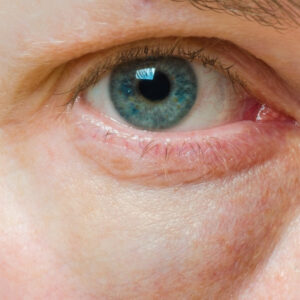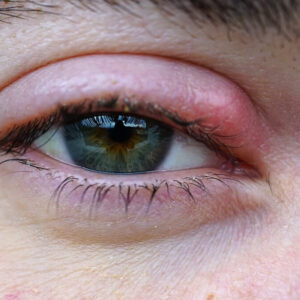


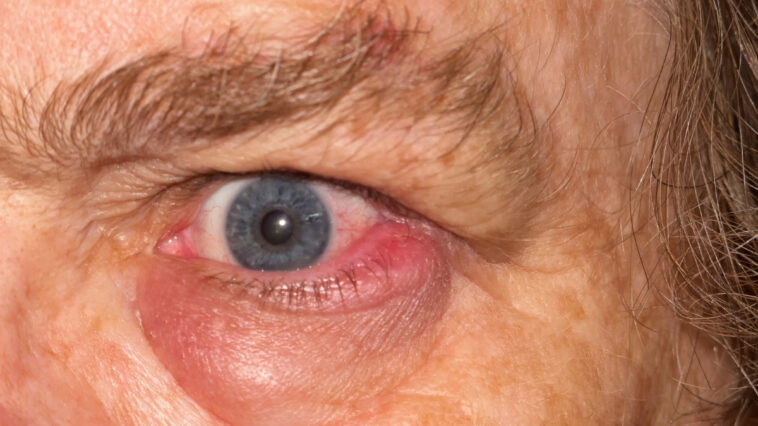
Swollen eyelids are a common issue that can affect either one or both eyes. Most of the time, the swelling is mild and goes away on its own. Sometimes, though, swollen eyelids can be a sign of an infection, inflammation, or another eye problem that needs medical care.
Knowing what causes eyelid swelling, what symptoms to watch for, and when to see a doctor can help you protect your eyes and prevent complications.
What Is a Swollen Eyelid?
A swollen eyelid happens when fluid collects in the soft tissue around your eye. This can be due to inflammation, irritation, infection, injury, or a blocked oil gland.
Swelling can affect:
- The upper eyelid
- The lower eyelid
- One or both eyes
Swelling can occur on its own or alongside other symptoms such as redness, itching, pain, or discharge.
Mild eyelid swelling is common and often resolves without treatment. If the swelling is painful or does not improve, you should see an eye doctor.
Common Causes of Swollen Eyelids
✔. Allergies
Allergies are a very common cause of swollen eyelids. Common triggers include pollen, dust, pet dander, makeup, and contact lens solutions.
Symptoms of allergic eyelid swelling may include:
- Itching
- Redness
- Watery eyes
- Puffiness in both eyelids
✔. Eye Infections
Eye infections, such as conjunctivitis (pink eye) or styes, can cause the eyelid to swell.
- Viral infections often cause watery discharge.
- Bacterial infections may cause thick yellow or green discharge.
- Styes cause localized swelling and tenderness.
If you think you have an eye infection, see an eye doctor. Many infections need medical treatment and may require prescription medicine.
✔. Blepharitis (Eyelid Inflammation)
Blepharitis is a long-term condition in which oil or bacteria accumulate along the eyelids.
It often leads to:
- Crusting along the lashes
- Redness
- Burning sensation
- Swollen eyelids, especially in the morning
✔. Blocked Tear Ducts
If the tear ducts are blocked, tears cannot drain properly and may build up around the eyes.
This can cause:
- Constant tearing
- Sticky discharge
- Recurrent eye infections
Blocked tear ducts are more common in infants and older adults.
✔. Crying or Lack of Sleep
Crying or not getting enough sleep can cause fluid to collect around the eyes, which leads to temporary swelling.
Swelling from crying or lack of sleep usually goes away on its own within a few hours.
✔. Thyroid Eye Disease
People with thyroid problems, especially hyperthyroidism, can develop swelling around the eyes. This happens when the tissues behind the eyes get inflamed.
This condition often requires medical management.
Why Do Eyes Swell After Crying?
When you cry, blood flow and tear production increase. The extra fluid can collect in the soft tissue around your eyes, causing puffiness.
Crying also widens the blood vessels around your eyes, which can cause swelling and redness. This type of swelling is temporary and usually goes away in a few hours.
Symptoms of Swollen Eyelids
Swollen eyelids often come with other symptoms that can help find the cause. These symptoms can be mild or severe and may affect one or both eyes.
Common associated symptoms include:
- Redness of the eyelid or surrounding skin
- Itching or a burning sensation
- Pain or localized tenderness
- Blurred or reduced vision
- Eye discharge
- Sensitivity to light (photophobia)
- Crusting or scaling along the eyelid margins
If your eyelid swelling gets worse, does not get better, or comes with vision changes, pain, or discharge, see an eye doctor right away. Early evaluation can help identify serious problems and ensure you get the right treatment quickly.
Treatment Options for Swollen Eyelids
The best treatment for swollen eyelids depends on the underlying cause. Often, simple home care can help. Sometimes, you may need medicine.
Common treatment options include:
- Cold compresses to help reduce swelling and soothe irritation
- Warm compresses to relieve blocked oil glands or styes
- Artificial tears to ease dryness and discomfort
- Antihistamines if allergies are the cause
- Antibiotic eye drops or ointments for bacterial infections.
- Good eyelid hygiene to manage conditions like blepharitis
Do not use leftover eye drops or share medications with others, as this can worsen symptoms or cause an infection. If your swelling does not get better or keeps coming back, see an eye doctor to find the right treatment for you.
10 Tips to Help Prevent Swollen Eyelids
A few simple daily habits can help lower your risk of eyelid swelling and keep your eyes healthy.
• Avoid known allergens
If you have allergies, try to avoid triggers such as pollen, dust, and pet dander as much as possible.
If you have allergies, try to avoid triggers such as pollen, dust, and pet dander as much as possible.
• Wash your face before bed.
Gently cleansing your face removes makeup, oil, and debris that can irritate the eyes or clog eyelid glands.
Gently cleansing your face removes makeup, oil, and debris that can irritate the eyes or clog eyelid glands.
• Get enough sleep
Try to get 7 to 9 hours of good sleep each night. Not getting enough sleep can cause fluid to build up, making your eyes puffy.
Try to get 7 to 9 hours of good sleep each night. Not getting enough sleep can cause fluid to build up, making your eyes puffy.
• Stay well hydrated
Drinking enough water helps prevent fluid buildup and can reduce swelling around your eyes.
Drinking enough water helps prevent fluid buildup and can reduce swelling around your eyes.
• Limit salt intake
Too much salt can make your body retain fluid, leading to puffiness around your eyes.
Too much salt can make your body retain fluid, leading to puffiness around your eyes.
• Avoid rubbing your eyes.
Rubbing your eyes can irritate the skin and make swelling or inflammation worse.
Rubbing your eyes can irritate the skin and make swelling or inflammation worse.
• Take breaks from screens.
Using screens for a long time can strain your eyes and cause dryness or irritation. Try to follow the 20-20-20 rule when you can.
Using screens for a long time can strain your eyes and cause dryness or irritation. Try to follow the 20-20-20 rule when you can.
• Use a humidifier
Using a humidifier adds moisture to dry indoor air and can help prevent dry or irritated eyes, especially if you use air conditioning.
Using a humidifier adds moisture to dry indoor air and can help prevent dry or irritated eyes, especially if you use air conditioning.
• Remove eye makeup thoroughly.
If you leave makeup on overnight, it can clog pores and increase your risk of irritation or infection.
If you leave makeup on overnight, it can clog pores and increase your risk of irritation or infection.
• Wear sunglasses outdoors
Wearing sunglasses protects your eyes from wind, dust, and sunlight, which can all cause irritation and swelling.
Wearing sunglasses protects your eyes from wind, dust, and sunlight, which can all cause irritation and swelling.
When to See an Eye Doctor
You should seek medical care promptly if you experience any of the following symptoms:
- Severe or worsening eye pain
- Changes in vision, such as blurriness or decreased vision
- Thick yellow or green discharge, which may indicate infection
- Swelling that spreads or does not improve.
- Fever or other signs of infection
- Symptoms that last longer than 2–3 days despite home care
Seeing an eye doctor early is important to identify the cause of your symptoms and start the right treatment. Getting care quickly can help prevent problems and protect your vision.
Summary
Swollen eyelids are usually harmless and often occur due to allergies, irritation, or fatigue. Sometimes, though, infections or other medical problems can cause eyelid swelling.
Pay attention to any new or worsening symptoms and do not try to treat serious problems on your own. If your eyelid swelling does not go away, see an eye doctor. Getting care quickly can help keep your eyes healthy and prevent long-term issues.