

Contents
hide
Blue light is a normal part of sunlight. You also get some blue light from screens and LED lights, but in much smaller amounts. Blue light from screens does not hurt your eyes. But using screens for a long time can make your eyes feel tired or dry.
It can also make it harder to sleep, especially at night. Taking breaks, using warmer screen settings, and keeping good lighting can help your eyes feel better.
It can also make it harder to sleep, especially at night. Taking breaks, using warmer screen settings, and keeping good lighting can help your eyes feel better.
What Is Blue Light?
Blue light is a type of visible light. It has more energy than most other colors of light. Blue light falls between 380 and 500 nanometers.
Blue light is divided into two main types:
- Blue-violet light (380–450 nm)
- Blue-turquoise light (450–500 nm)
You encounter blue light every day from:
- sunlight
- digital screens
- LED and fluorescent bulbs
Sunlight is the largest source of blue light. Screen use matters most in terms of duration, brightness, and how close the device is to your eyes. These factors can increase eye strain.
Where Blue Light Fits in the Light Spectrum

Light varies in energy and wavelength. The eyes filter out some wavelengths, such as most UV, but allow visible light, including blue light, to reach the retina.
Ultraviolet (UV): 100–380 nm
High-energy radiation that is mostly filtered by the cornea and lens.
High-energy radiation that is mostly filtered by the cornea and lens.
Visible Light: 380–700 nm
Contains violet, blue, green, yellow, orange, and red light—the range we see every day.
Contains violet, blue, green, yellow, orange, and red light—the range we see every day.
Infrared: 700+ nm
Longer wavelengths that the eye perceives as heat.
Longer wavelengths that the eye perceives as heat.
Blue light has short wavelengths and spreads farther in the air. This is why:
- The sky appears blue (Rayleigh scattering)
- Blue light contributes to glare.
- Blue light reduces contrast, making it harder for your eyes to focus.
How the Eye Handles Blue Light
The cornea and lens block most UV light, but blue light passes through to the retina at the back of the eye.
Normal blue light exposure does not harm your eyes, but it can:
- reduce visual clarity
- increase glare
- contribute to eye fatigue after prolonged screen use
Natural Lens Changes With Age
With age, the lens in your eye becomes more yellow, which helps filter blue light and reduce glare.
Blue Light After Cataract Surgery
Cataract surgery replaces the natural lens with a clear artificial one. These lenses do not yellow, so slightly more blue light reaches the retina. This is not harmful, but you may notice increased light sensitivity after surgery.
Types of IOLs include:
- Clear IOLs: allow the full visible spectrum
- Blue-filtering IOLs: mild tint to reduce blue-violet light
- UV-filtering IOLs: standard protection against ultraviolet light
Your eye doctor will help you choose the lens that is best for your eyes and your daily life.
Does Blue Light Damage the Eyes?
Based on current research:
- Blue light from screens does not damage the retina.
- It does not cause macular degeneration.
- It does not increase cataract risk.
Using screens up close for a long time can make your eyes feel tired or uncomfortable. This is because of blue light and glare.
Blue Light and Digital Eye Strain
Digital eye strain happens when your eyes work hard for a long time. This can happen when you read, study, or use screens for many hours.
Why does it happen?
- blink rate drops
- The eyes work harder to maintain focus.
- The glare increases effort.
- screen brightness can overpower room lighting
Typical symptoms:
- tired or burning eyes
- fluctuating or blurred vision
- headaches
- dryness or irritation
- difficulty shifting focus
Clinical example
If you spend hours on a laptop, your eyes can get dry or your vision can get blurry. Blinking more, changing the lighting, and taking breaks can help.
Blue Light and Sleep
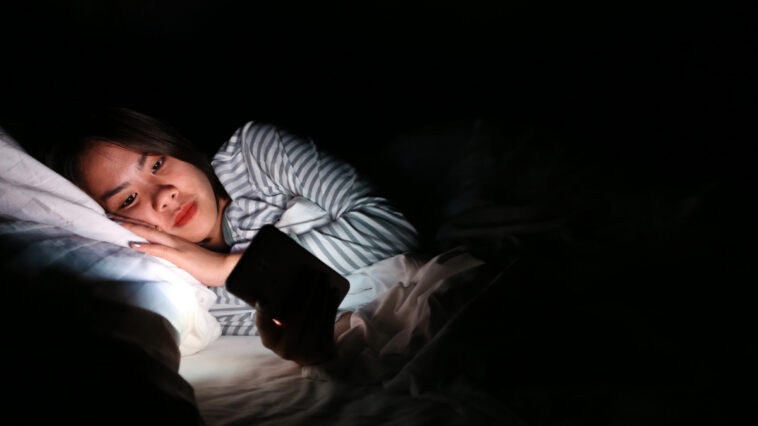
Blue light helps control your body’s sleep-wake cycle, also called your circadian rhythm. Using bright screens at night can:
- delay melatonin release
- postpone sleep onset
- reduce deep sleep
- cause morning fatigue
The effect becomes stronger when devices are used:
- in a dark room
- close to the face
- within 1–2 hours of bedtime
Seasonal Affective Disorder (SAD) and Blue Light
Blue light can also affect your mood. In winter, less sunlight can lead to Seasonal Affective Disorder, or SAD. Light therapy that copies natural daylight, including blue light, can help your body keep a regular sleep-wake cycle.
Blue Light From the Sun: Outdoor Protection
The sun provides much more blue light than any digital device.
To protect your eyes outside, look for sunglasses with:
- 100% UV protection
- protection against blue-violet wavelengths
- polarized lenses to reduce glare
- wraparound frames for wider coverage
Wearing sunglasses with these features helps protect your eyes from sun damage now and in the future.
Photochromic Lenses
Photochromic lenses darken outdoors and become clear indoors. They offer:
- consistent UV protection
- reduced blue-violet exposure
- glare reduction
- improved comfort when moving between indoors and outdoors
Photochromic lenses are useful if you move between indoor and outdoor environments during the day.
How to Stay Comfortable With Screens
Blocking all blue light is not necessary. Simple habits can help reduce eye fatigue.
Adjust Color Temperature in the Evening
Most devices allow you to adjust the screen to a warmer color in the evening.
- Night Shift (Apple)
- Night Mode (Android)
- Blue Light Filter (Windows)
Using these settings can reduce glare and make nighttime screen use more comfortable.
Follow the 20–20–20 Rule
Every 20 minutes, look at something 20 feet away for 20 seconds.
This exercise helps your eyes relax and can reduce eye fatigue.
This exercise helps your eyes relax and can reduce eye fatigue.
Keep Lighting Balanced
Avoid using screens in rooms that are too bright or too dark.
- Do not use screens in a completely dark room.
- Reduce glare from windows or overhead LEDs
- Match screen brightness to the room
Getting the lighting right usually helps your eyes more than using filters or special glasses.
Blink Often
When you use screens, you blink less. This can make your eyes dry. Blinking more often helps keep your eyes comfortable.
Light-Filtering Eyewear
Blue light or glare-filtering glasses can make screens feel more comfortable, especially in bright rooms. But they do not treat eye problems or stop nearsightedness.
When to See an Eye Doctor
Tired eyes are common after prolonged screen use. If your symptoms do not get better with breaks, better lighting, or screen changes, schedule an eye exam.
You should see an eye doctor if you have:
- blurry vision that keeps coming back
- sleep problems even after adjusting your evening screen habits
- trouble staying focused on reading or close work
- Frequent headaches after screen use
- dryness or irritation that doesn’t go away
These symptoms may mean you have dry eye, need a new glasses prescription, or have trouble focusing or aligning your eyes.
An eye doctor can find the cause and suggest ways to help your eyes feel better and stay healthy.
When to Seek Immediate Care
Blue light from screens does not cause emergency symptoms.
Seek urgent eye care if you notice:
Seek urgent eye care if you notice:
- sudden flashes of light
- sudden loss of vision
- a curtain-like shadow
- severe eye pain
- a sudden increase in floaters
These symptoms can signal a serious eye problem. Seek medical attention immediately if you notice any of them.
FAQ
Does blue light from screens damage the eyes?
No. Screen-emitted blue light does not cause retinal damage or eye disease.
No. Screen-emitted blue light does not cause retinal damage or eye disease.
Do blue light glasses work?
They may reduce glare and make screens feel more comfortable, but they don’t treat eye conditions.
Why does blue light make eyes feel tired?
Because it scatters easily, making contrast lower and forcing your eyes to work harder to stay focused.
Is blue light worse at night?
Yes. It can delay melatonin and make it harder to fall asleep, especially if used in a dark room.
How much screen time is too much?
There’s no set limit. If your eyes feel dry, strained, or you get headaches, it’s time to take a break.
Summary
Blue light is a normal part of daily life. It does not harm your eyes.
Screens emit far less blue light than the sun.
Using screens for a long time can make your eyes feel tired. It can also make it harder to fall asleep.
Taking breaks, using warmer screen settings, and keeping the lighting balanced can help reduce eye strain.
Protecting your eyes from the sun remains important for long-term eye health.
If your symptoms persist or make daily activities difficult, see your eye doctor for a checkup.