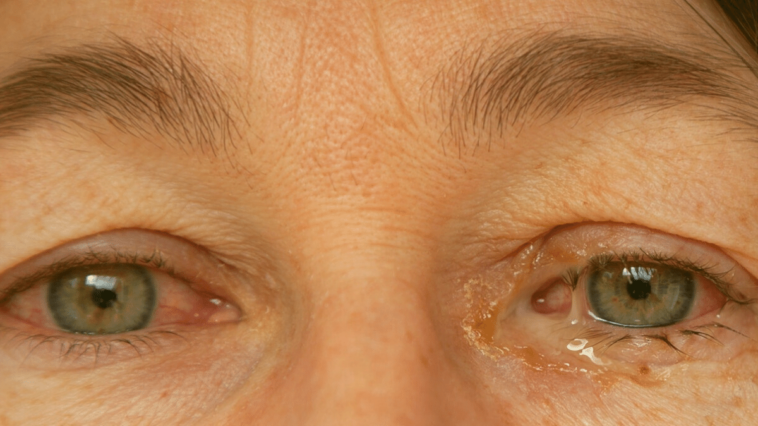
Eye discharge is a common symptom that most people will experience at some point in their lives. In many cases, it is harmless and goes away on its own. However, eye discharge can sometimes be a sign of an infection or another eye condition that requires medical attention.
Learning about the causes of eye discharge, the different types you might notice, and when to see a doctor can help you protect your eyes and prevent possible complications.
What Is Eye Discharge?
Eye discharge is any fluid that comes out of your eyes. It can be clear, white, yellow, green, or sometimes thick and sticky. This fluid is made up of mucus, oils, skin cells, and tears that are produced by glands around your eyes.
A small amount of discharge, especially after you wake up in the morning, is normal. It helps keep your eyes clean and moist. But if you notice a lot of discharge, if it is colored, or if it does not go away, it could be a sign of an eye problem.
Eye discharge can affect one or both eyes. It may also be accompanied by other symptoms such as redness, itching, pain, swelling, or blurred vision.
What Causes Eye Discharge?
There are several reasons why you might have eye discharge. The most common causes are infections, allergies, dry eyes, and blocked tear ducts.
1. Eye Infections
Eye infections are a common reason for abnormal eye discharge.
- Viral infections usually cause watery discharge and redness in the eyes.
- Bacterial infections often lead to thick yellow or green discharge.
- Contagious conjunctivitis, also known as pink eye, can spread easily from person to person.
Infections can also cause other symptoms, including redness, irritation, swelling, and sensitivity to light.
2. Eye Allergies
If you are allergic to things like pollen, dust, mold, or pet dander, your eyes may produce extra tears and mucus.
Common allergy-related symptoms include:
- Itching
- Red, watery eyes
- Swollen eyelids
- Mild burning sensation
Allergy-related eye discharge is usually clear and watery, and it often affects both eyes.
3. Dry Eye Syndrome
It may seem surprising, but dry eyes can actually cause watery discharge. When your eyes do not produce enough good-quality tears, they may respond by producing extra watery tears.
Dry eye-related discharge is often associated with:
- Burning or stinging
- Gritty sensation
- Blurred vision
- Eye fatigue
Dry eyes are especially common among people who spend a lot of time looking at digital screens.
4. Blocked Tear Ducts
Normally, tears drain through small ducts in your eyelids. If these ducts become blocked, tears can build up and overflow.
Blocked tear ducts may cause:
- Constant tearing
- Sticky discharge
- Eye irritation
- Recurrent infections
Blocked tear ducts are more common in infants and older adults.
5. Blepharitis and Eyelid Inflammation
Blepharitis occurs when your eyelids become inflamed, often due to bacteria, oil buildup, or certain skin conditions.
It often leads to:
- Crusty discharge along the eyelids
- Red, irritated eyes
- Burning sensation
- Flaky skin near the lashes
These symptoms are often worse when you wake up in the morning.
Types of Eye Discharge and What They Mean
Eye discharge can appear very different depending on its cause. The color, thickness, and amount of discharge often provide important clues about whether the issue is mild or may require medical attention.
While some types of discharge are harmless and temporary, others may indicate an infection or an underlying eye condition.
The table below outlines the most common types of eye discharge, what they may indicate, and when it is important to see an eye doctor.
| Type of Discharge | Possible Cause | What It Means |
| Clear, watery | Allergies, dry eye | Usually mild |
| White or stringy | Dry eye, irritation | Often chronic |
| Yellow or green | Bacterial infection | Needs treatment |
| Thick and sticky | Infection or blocked duct | See a doctor |
| Bloody or pink | Injury or inflammation | Urgent care needed |
Symptoms That May Occur With Eye Discharge
Eye discharge often appears along with other eye symptoms, depending on the underlying cause. These may include:
- Redness of the eye or eyelids
- Swelling around the eyes
- Itching or irritation
- Eye pain or discomfort
- Blurred or cloudy vision
- Sensitivity to light
- Crusting along the eyelids, especially after sleep
If these symptoms worsen, persist for more than a short time, or begin to affect your vision, it’s important to see an eye doctor. Prompt evaluation can help identify the cause and ensure you receive the appropriate treatment before complications develop.
Treatment Options for Eye Discharge
The treatment for eye discharge depends on the cause.
Common treatments for eye discharge include:
- Warm compresses to loosen discharge
- Artificial tears to relieve dryness
- Antibiotic eye drops for bacterial infections.
- Antihistamine drops for allergies.
- Eyelid hygiene for blepharitis
You should never use leftover eye drops or share your medication with anyone else.
Home Care Tips for Mild Eye Discharge
If your symptoms are mild, you may feel better by:
- Gently clean the eyelids with warm water.
- Avoiding eye makeup until symptoms improve
- Washing hands frequently
- Taking breaks from screens
- Using a humidifier to reduce dryness
If your symptoms last more than a few days, it is important to see an eye doctor.
When to See an Eye Doctor
You should seek medical care if you experience:
- Thick yellow or green discharge
- Eye pain or pressure
- Vision changes
- Light sensitivity
- Swelling around the eyes
- Discharge that lasts more than 2–3 days
- Eye injury or trauma
These symptoms may indicate a serious eye condition that requires prompt treatment.
FAQ
Can eye discharge go away on its own?
Yes, mild discharge from allergies or dryness often goes away on its own. But if the discharge is persistent or has color, you should have it checked by an eye doctor.
Is eye discharge contagious?
Some types of eye discharge, like those from viral or bacterial conjunctivitis, can be contagious. Practicing good hygiene is important to prevent spreading it to others.
Can sinus infections cause eye discharge?
Yes, sinus infections can cause pressure and watery discharge around your eyes.
Is eye discharge normal in the morning?
A small amount of crusting in the morning is normal. However, thick or colored discharge is not and should be checked by a doctor.
Final Thoughts
Eye discharge is common and is often harmless. However, it can sometimes be a sign of an infection or another eye condition. Watching for changes in the color, thickness, and other symptoms can help you know when to seek treatment.
If you have ongoing discharge, pain, or changes in your vision, make an appointment for an eye exam. Getting an early diagnosis and the right treatment is important for protecting your eye health and preventing complications.