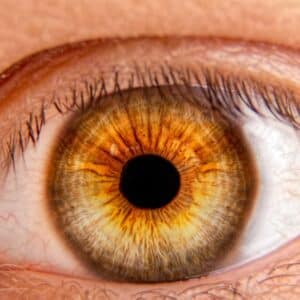




Eye pain is a common problem. It can feel like a mild irritation or cause more serious discomfort. Sometimes, eye pain makes it hard to see or do daily activities. Many causes are minor and improve on their own, but some types of eye pain can be a sign of a serious issue. If you have severe or ongoing eye pain, it is important to see an eye doctor as soon as possible.
Understanding the potential causes of eye pain and the symptoms that may accompany each is an important first step in determining when home remedies may be appropriate and when it is necessary to seek care from an eye doctor.
What Is Eye Pain?
Eye pain refers to any discomfort felt in or around one or both eyes. It can feel like burning, aching, pressure, or soreness, and it may come on suddenly or develop gradually over time.
Some people feel eye pain only when they blink or move their eyes. Others have a constant ache or pressure behind the eye. Eye pain can range from mild to severe, making daily activities difficult.
Eye pain is often described by where it starts. Types include:
- Surface-related pain, such as dryness, irritation, or infection
- Internal eye pain. This usually happens because of pressure, swelling, or nerve issues inside the eye.
- Referred pain. This starts in nearby areas, such as the sinuses or nerves, but is felt around the eyes.
Many eye problems have similar symptoms. This makes it hard for you to determine the cause. If you have ongoing or severe eye pain, see an eye care professional to determine the cause and receive the appropriate treatment.
Common Causes of Eye Pain
Eye pain can be mild and go away quickly. Sometimes, it is severe and makes daily activities hard. Often, the cause is not serious and gets better without treatment. But eye pain can also be a sign of a serious problem that requires evaluation by an eye care professional.
Below are some of the most common causes of eye pain, the symptoms that may occur with each, and guidance on when to seek medical attention.
1. Dry Eye Syndrome
Dry eye syndrome is a frequent cause of eye discomfort. It occurs when the eyes do not produce enough tears, or when tears evaporate too quickly to keep the surface of the eyes properly lubricated and comfortable.
Individuals with dry eye may experience symptoms such as:
- A burning or stinging sensation
- A gritty or sandy feeling, as if something is in the eye
- Redness
- Blurred vision that improves after blinking
- Sensitivity to light
Dry eye symptoms may become worse in certain situations, including:
- Long periods of screen use
- Exposure to air conditioning or dry climates
- Aging
- Certain medications
- Hormonal changes
You can often manage dry eye by using artificial tears, blinking more often, and making small changes to your daily routine. If your symptoms do not improve, your eye doctor can recommend other treatments to help you feel better and protect your eyes.
2. Eye Allergies (Allergic Conjunctivitis)
Eye allergies occur when the immune system reacts to substances such as pollen, dust, or pet dander. This immune response can cause inflammation of the eye’s surface, leading to irritation and discomfort.
Common symptoms include:
- Intense itching
- Red, watery eyes
- Swollen eyelids
- Burning or stinging sensations
Although eye allergies are generally not serious, they can be quite uncomfortable and may interfere with daily activities. Symptoms often improve with antihistamine eye drops, cold compresses, and by avoiding known triggers.
3. Pink Eye (Conjunctivitis)
Pink eye, also known as conjunctivitis, is an inflammation of the conjunctiva, which is the thin, transparent membrane that covers the white part of the eye.
There are several types of conjunctivitis:
- Viral conjunctivitis: watery discharge, highly contagious
- Bacterial conjunctivitis: thick yellow or green discharge
- Allergic conjunctivitis: itching and redness, not contagious
Symptoms of conjunctivitis may include redness, eye discharge, swelling, a gritty sensation, and sensitivity to light.
Most cases of pink eye get better on their own. If it is caused by bacteria, you may need antibiotic eye drops. If your pain gets worse, your eyes become more red, or your vision changes, see an eye doctor. Getting help early can prevent more serious problems.
4. Digital Eye Strain
Spending long hours looking at a computer, phone, or tablet can take a toll on your eyes. This is commonly known as digital eye strain or computer vision syndrome.
When you spend extended periods on screens, your eyes have to work harder than usual. You also tend to blink less, which can make your eyes feel dry and uncomfortable.
People with digital eye strain often notice symptoms such as:
- Eyes that feel tired, sore, or heavy
- Dryness or a gritty sensation
- Blurred or fluctuating vision
- Headaches, especially after long periods of screen use
These symptoms usually come on slowly and may get worse by the end of the day. Digital eye strain is not usually serious, but it can be uncomfortable and make daily tasks harder if you do not take steps to manage it.
One simple method to help reduce symptoms is to follow the 20-20-20 rule:
Every 20 minutes, look at something at least 20 feet away for 20 seconds.
Every 20 minutes, look at something at least 20 feet away for 20 seconds.
5. Glaucoma
Glaucoma is a serious eye disease that damages the optic nerve, most commonly due to increased pressure inside the eye. It is one of the leading causes of vision loss worldwide.
In many cases, glaucoma develops gradually and does not cause noticeable symptoms in its early stages. For this reason, regular eye exams are essential, particularly as you age or if you have risk factors such as a family history of glaucoma.
A less common type, called acute angle-closure glaucoma, can develop suddenly and cause severe symptoms, including:
- Intense eye pain
- Severe headache
- Nausea or vomiting
- Blurred vision
- Halos or rainbow-colored rings around lights
This form of glaucoma is a medical emergency. Without immediate treatment, it can result in permanent vision loss within a short period.
If you have sudden eye pain, vision changes, or nausea, get emergency eye care right away.
People with a family history of glaucoma or those over age 40 should have regular eye exams, even if they have no symptoms.
6. Eye Injuries or Trauma
Eye injuries can happen during everyday activities. These include playing sports, working, having accidents at home, or being exposed to chemicals or foreign objects.
Common signs of an eye injury include:
- Sudden or sharp eye pain
- Redness or swelling
- Sensitivity to light
- Blurred or reduced vision
Even injuries that seem minor at first can cause hidden damage inside your eye. Sometimes symptoms may worsen a few hours later.
It’s important to have any eye injury checked by an eye doctor as soon as possible. Getting help early can prevent problems and protect your vision.
7. Refractive Errors
Refractive errors are a common cause of eye strain and discomfort. They happen when your eye’s shape keeps light from focusing the right way, so things look blurry or distorted.
The most common types of refractive errors include:
- Nearsightedness (myopia): difficulty seeing objects clearly at a distance
- Farsightedness (hyperopia) : trouble focusing on close-up tasks
- Astigmatism : blurred or uneven vision at any distance
- Presbyopia :age-related difficulty focusing on nearby objects
If refractive errors are not corrected, your eyes have to work harder to focus. This can cause symptoms such as:
- Eye strain or fatigue
- Headaches, especially after reading or screen use
- Blurred or fluctuating vision
- General eye discomfort
Many people do not realize that these symptoms are caused by a vision problem. The good news is that refractive errors are usually easy to correct.
Wearing the right glasses or contact lenses, or undergoing a vision correction procedure, can improve your vision and reduce eye strain. This can help you see more comfortably all day.
When to See an Eye Doctor
You should seek medical attention if any of the following occur:
- Eye pain is severe or worsening.
- You experience changes in your vision.
- Pain is accompanied by nausea or vomiting.
- You have an eye injury.
- Symptoms persist for more than a day or two.
- Sudden vision loss or severe eye pain should always be treated as an emergency.
Seeing an eye doctor promptly can help prevent complications and protect your vision over time.
FAQ
Can eye pain go away on its own?
Yes, mild eye pain from dryness or eye strain often improves with rest and lubricating eye drops. However, if your pain does not resolve or becomes severe, you should see an eye doctor.
Is eye pain always serious?
No, not all eye pain is serious. However, some causes can threaten your vision. If you experience pain along with changes in your vision, it is important not to ignore these symptoms.
Can sinus infections cause eye pain?
Yes. Sinus pressure can cause pain behind or around the eyes. You may also experience a stuffy nose or headache.
Can stress cause eye pain?
Stress can contribute to eye strain, headaches, and muscle tension. These issues may cause your eyes to feel uncomfortable.
Final Thoughts
Eye pain can have many causes, from dryness to serious eye diseases. Many cases are not harmful, but some need quick medical care. Paying attention to your symptoms and getting help when needed is important for your vision.
If you experience persistent or severe eye pain, schedule an appointment with an eye doctor for a comprehensive examination and appropriate treatment.