An eye exam is a full check-up for your eyes. Your eye doctor will examine every part of your eyes, assess how well you can see, check the pressure inside your eyes, and ensure your eyes are working as a team.
Eye exams can detect conditions such as glaucoma, cataracts, or diabetic eye disease in their early stages, often before you experience any noticeable symptoms.
A full eye exam is performed by an optometrist or
ophthalmologist. During the exam, your vision and overall eye health are carefully evaluated. In some cases, these exams can also reveal signs of other health conditions before you become aware of any symptoms.
Regular eye exams help protect your vision and keep your eyes healthy at any age.
What Is an Eye Exam?
An eye exam is a series of specialized tests used to evaluate:
- Vision clarity
- Eye muscle function
- Eye pressure
- Retina and optic nerve health
- Signs of eye disease or systemic illness
Eye exams are performed by:
- Optometrists (OD) : Vision exams, glasses, contact lenses
- Ophthalmologists (MD) : Medical and surgical eye care
Ophthalmologists are medical doctors who can diagnose and treat eye diseases and perform surgery, while optometrists focus on vision correction and routine eye care.
A comprehensive eye exam evaluates more than just your ability to see clearly. It also assesses the health of your entire visual system.
What Happens During an Eye Exam?
During your eye exam, your doctor will perform a series of simple and painless tests. Each test provides important information about your vision and eye health, and can help identify potential problems at an early stage.
Visual Acuity Test
This is the standard eye chart test used to measure how clearly you see at various distances. It helps determine whether your vision is sharp and if you may need glasses or an updated prescription.
Refraction Test
If your vision is blurry, this test allows your doctor to determine the most appropriate prescription for your glasses or contact lenses.
Eye Muscle and Alignment Test
Your doctor will assess how well your eyes move and function together. If your eyes are not properly aligned or coordinated, it can lead to eye strain, double vision, or difficulty focusing.
Pupil Dilation
Your doctor may use special eye drops to dilate your pupils. This allows for a thorough examination of the back of your eye, including the retina and optic nerve. After dilation, your vision may be temporarily blurry, and you may be more sensitive to light for several hours.
Tonometry (Eye Pressure Test)
This test measures the pressure inside your eyes. It is important for detecting glaucoma in its early stages, often before you notice any changes in your vision.
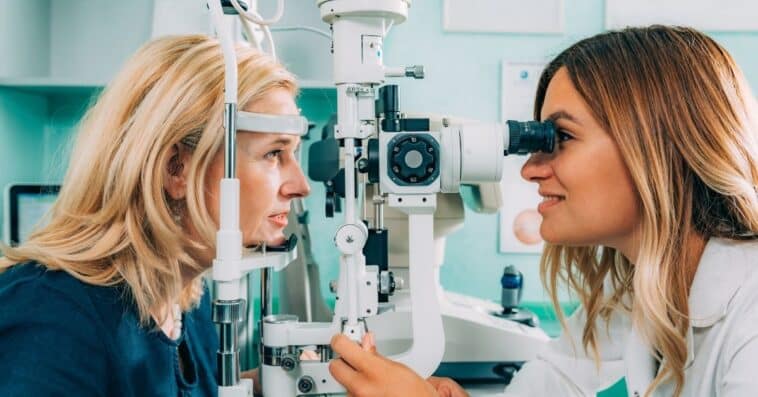
Slit-Lamp Examination
Your doctor uses a specialized microscope to examine the front structures of your eye, including the cornea, lens, and iris. This examination helps identify issues such as cataracts, infections, or swelling.
Retinal Examination
When your doctor examines the back of your eye, they can detect serious conditions such as:
- Diabetic retinopathy
- Macular degeneration
- Retinal tears or detachment
Additional Tests (When Needed)
- A visual field test to check peripheral vision
- Color vision testing
- OCT (optical coherence tomography) to examine retinal layers
- Fundus photography to document retinal health
Why Eye Exams Are Important
Eye exams serve a purpose beyond simply determining whether you need glasses. They play a key role in protecting both your vision and your overall health. Many serious eye conditions develop gradually and without obvious symptoms, making regular eye exams essential.
Here are some important reasons not to skip your regular eye exams.
1. Early Detection of Eye Diseases
Many serious eye diseases develop silently, without pain or early warning signs. Conditions such as:
- Glaucoma
- Macular degeneration
- Diabetic retinopathy
These conditions can progress for years before you notice any changes in your vision. Regular eye exams can detect them early, when treatment is most effective, and help prevent or slow vision loss.
2. Detection of Underlying Health Problems
Your eyes can provide important information about your overall health. During an eye exam, your doctor may detect signs of:
- Diabetes
- High blood pressure
- Autoimmune disorders
- Neurological or brain-related conditions
In some cases, changes in your eyes may be the earliest indication of an underlying health condition.
3. Accurate Vision Correction
Your vision can change slowly, and you might not notice right away. Regular eye exams make sure your glasses or contacts are right for you, so you can see clearly and avoid headaches or eye strain.
4. Prevention of Digital Eye Strain
Spending a lot of time on computers, phones, or tablets can make your eyes feel tired or uncomfortable. Eye exams can spot problems from too much screen time and help your doctor find ways to make your eyes feel better.
5. Diagnosis of Dry Eye Problems
Dry eyes can cause burning, redness, or irritation. An eye exam can help determine the underlying cause and guide your doctor in selecting the most effective treatment to relieve your symptoms.
6. Supporting Children’s Vision Development
If your child has a vision problem and it goes unnoticed, it can affect their learning and development. Early eye exams can catch problems like lazy eye, difficulty focusing, or misaligned eyes before they cause problems in school.
7. Monitoring Age-Related Eye Changes
As you age, your risk for developing eye problems increases. Regular eye exams allow your doctor to monitor for:
Detecting these conditions early allows for prompt treatment and helps preserve your vision for as long as possible.
How Often Should You Get an Eye Exam?
The recommended frequency of eye exams depends on your age, overall health, and individual risk factors. Some people require annual checkups, while others may only need an exam every two years. If you have specific health conditions, your doctor may recommend more frequent visits.
Below are general guidelines recommended by eye care professionals:
| Age Group | Recommendation |
| Infants | At 6–12 months |
| Children (3–5 yrs) | At least once |
| School-age | Every 1–2 years |
| Adults (18–60) | Every 2 years |
| Adults 60+ | Every year |
| Diabetes / Glaucoma | Every year or as advised |
Immediate exam needed if you experience:
- Sudden vision loss
- Eye pain or redness
- Flashes or floaters
- Double vision
- Eye injury
How to Prepare for an Eye Exam
Getting ready for your eye exam can help your doctor understand your vision needs. Taking a few simple steps before your visit can make your appointment go more smoothly.
Here’s how to prepare for your eye exam:
✔ Bring your current glasses or contacts
✔ List all medications and supplements
✔ Note any vision changes or symptoms
✔ Bring previous prescriptions
✔ Arrange transportation if dilation is expected
✔ Prepare questions for your doctor
How to Choose the Right Eye Doctor
Choosing the right eye doctor is important. A trained and experienced eye care professional can detect problems early, recommend appropriate treatments, and help protect your vision.
When choosing an eye doctor, consider these factors:
✔ Credentials:
Is the doctor an Optometrist (OD) or an Ophthalmologist (MD)? Knowing this helps you understand what type of eye care they provide.
✔ Experience:
Has the doctor helped patients with conditions like glaucoma or diabetes? Experience can make a big difference, especially if you have specific eye health needs. Especially for conditions like glaucoma or diabetes
✔ Technology:
Does the office use new tools, such as OCT or digital retinal scans? Up-to-date technology can lead to better, more comfortable care.
✔ Insurance Coverage:
Does the office take your insurance? It is a good idea to check before your appointment.
✔ Patient Reviews:
What do other patients say? Positive feedback is a good sign that you will be in good hands.
✔ Communication Style:
Do you feel comfortable asking questions? Choose a doctor who listens and explains things clearly. Your comfort matters.
Cost of an Eye Exam
The cost of an eye exam depends on where you live, what kind of exam you need, and if you have insurance. Knowing what to expect can help you plan ahead.
Here’s what you can expect:
| Type of Exam | Average Cost |
| Routine exam | $50–$150 |
| Comprehensive exam | $100–$250 |
| With dilation | +$20–$50 |
| Specialized testing | Additional cost |
Many insurance plans cover annual eye exams, especially for:
Some clinics offer lower-cost exams or participate in community programs to help cover costs.
When to See an Eye Doctor Immediately
Some eye symptoms should not be ignored. These signs may mean a medical emergency, so it is important to see an eye doctor right away to help prevent permanent vision loss.
Seek urgent eye care if you experience:
- Sudden vision loss
- Severe eye pain
- Red eye with nausea
- Light flashes or floaters
- Eye injury or trauma
These symptoms may indicate a medical emergency and require prompt attention.
FAQ
Here are answers to some of the most common questions people have about eye exams.
How long does an eye exam take?
Most eye exams take about 30 to 60 minutes. It may take longer if your eyes need to be dilated.
Are eye exams painful?
No. Some tests may feel a little unusual or cause brief discomfort, but the exam should not be painful.
Can an eye exam detect brain problems?
Yes. Sometimes, your eye doctor can spot early signs of brain or nerve problems, like swelling of the optic nerve, during an eye exam.
Do I need an eye exam if I see well?
Yes. Many eye diseases can develop without symptoms, so regular exams are important even if you don’t notice any changes in your vision.
Final Takeaway
Regular eye exams are one of the best ways to protect your vision and your health. Even if you see well, routine checkups help catch problems early, ensure you get the right treatment, and keep your eyes healthy in the long run.
Don’t wait for symptoms. Regular eye care can help protect your vision.