


Contents
hide
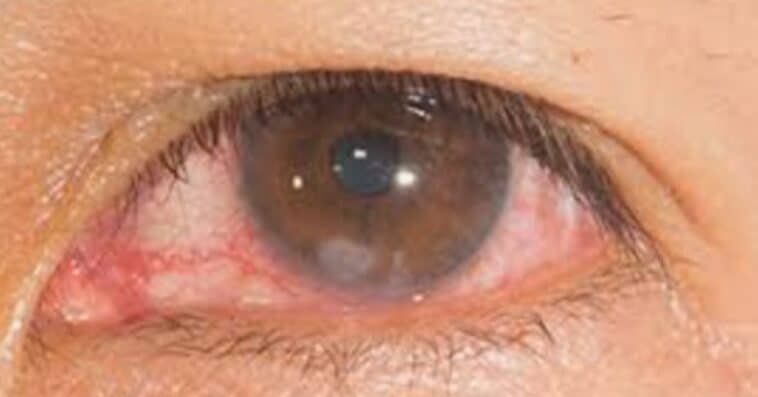
A corneal abrasion is a scratch on the cornea, the clear, curved layer that covers the front of your eye. Because the cornea has many nerve endings, even a small scratch can cause severe pain, tearing, and light sensitivity.
Most corneal abrasions heal quickly when properly treated. However, if a corneal scratch is ignored, it can become infected or develop into a corneal ulcer. This can put your vision at risk, making early and appropriate care very important.
Understanding what causes a corneal abrasion, the symptoms to watch for, and when to see an eye doctor is the first step in protecting your vision from possible complications.
What Is a Corneal Abrasion?
The cornea is the transparent outer layer of your eye that helps focus light and protects the deeper parts of the eye. Its surface layer, called the epithelium, acts as a protective shield. When this layer is scraped or damaged, a small open wound, or abrasion, forms on the cornea.
This injury often causes:
- Pain or burning
- Excessive tearing
- Sensitivity to light
- Blurred or hazy vision
You may feel like something is stuck in your eye, even after the object that caused the scratch is no longer there.
If you think you have scratched your eye, see an eye doctor as soon as you can. Early treatment helps prevent infection and speeds healing.
Common Causes of Corneal Abrasions
A scratched cornea can happen in just a few seconds, sometimes without you realizing exactly how it occurred. Because the cornea is delicate, even routine activities can lead to injury.
Frequent causes include:
Accidental contact
A child’s fingernail, rubbing your eyes, or removing makeup too forcefully can all easily scratch the cornea.
A child’s fingernail, rubbing your eyes, or removing makeup too forcefully can all easily scratch the cornea.
Dust, sand, or debris
Tiny particles, like dust or sand, can be carried by the wind and get into your eyes. Each time you blink, these particles may move across the surface of the cornea and cause a scratch.
Tiny particles, like dust or sand, can be carried by the wind and get into your eyes. Each time you blink, these particles may move across the surface of the cornea and cause a scratch.
Metal, wood, or glass fragments
These types of injuries are common during construction, home repairs, or woodworking. Even very small fragments can cause a serious scratch on the cornea.
These types of injuries are common during construction, home repairs, or woodworking. Even very small fragments can cause a serious scratch on the cornea.
Contact lenses
Sleeping in contact lenses, wearing them for too long, using damaged lenses, or failing to clean them properly can all increase your risk of developing a corneal abrasion.
Sleeping in contact lenses, wearing them for too long, using damaged lenses, or failing to clean them properly can all increase your risk of developing a corneal abrasion.
Chemical exposure
Cleaning products, hair dye, or certain cosmetics can irritate and damage the surface of the cornea.
Cleaning products, hair dye, or certain cosmetics can irritate and damage the surface of the cornea.
Dry eye disease
Severe dry eyes, especially overnight, can cause your eyelid to stick to the cornea. When you open your eyes, this may pull off surface cells, resulting in a scratch.
Severe dry eyes, especially overnight, can cause your eyelid to stick to the cornea. When you open your eyes, this may pull off surface cells, resulting in a scratch.
Sports or trauma
Balls, elbows, or other fast-moving objects can scrape the surface of your eye and cause a corneal abrasion immediately.
Balls, elbows, or other fast-moving objects can scrape the surface of your eye and cause a corneal abrasion immediately.
Symptoms of a Corneal Abrasion
Corneal abrasions are usually hard to ignore. Symptoms can appear right away or worsen over several hours.
Common signs include:
Eye pain
The pain is often sharp or burning, and it may be especially noticeable when you blink.
The pain is often sharp or burning, and it may be especially noticeable when you blink.
Foreign-body sensation
You may feel a gritty or sandy sensation in your eye that does not go away.
You may feel a gritty or sandy sensation in your eye that does not go away.
Redness
Your eye may look irritated or bloodshot.
Your eye may look irritated or bloodshot.
Excessive tearing
Tears are your eyes’ natural way to protect and clean the surface of your eyes.
Tears are your eyes’ natural way to protect and clean the surface of your eyes.
Light sensitivity
Bright light may feel uncomfortable or even painful to your eyes.
Bright light may feel uncomfortable or even painful to your eyes.
Blurred vision
This is especially true if the scratch is near the center of your cornea.
This is especially true if the scratch is near the center of your cornea.
Difficulty keeping the eye open
Pain or eyelid spasms can make it difficult or uncomfortable for you to open your eye.
Pain or eyelid spasms can make it difficult or uncomfortable for you to open your eye.
When symptoms should not be ignored?
If your pain worsens, your vision changes, you notice discharge, or your symptoms last more than 24 hours, it is important to seek urgent evaluation by an eye doctor. Untreated abrasions can lead to infection or delayed healing.
What to Expect From a Scratched Cornea
A scratched cornea can be alarming, but it usually heals well with proper care.
Pain is common at first.
Because the cornea is extremely sensitive, you can expect discomfort, tearing, and light sensitivity early on.
Because the cornea is extremely sensitive, you can expect discomfort, tearing, and light sensitivity early on.
Do not rub your eye
Rubbing your eye can make the scratch worse and increase your risk of complications.
Rubbing your eye can make the scratch worse and increase your risk of complications.
Gentle rinsing may help.
If debris caused the injury, briefly rinsing your eye with sterile saline may help. Do not use tap water, as it can introduce bacteria and increase the risk of infection.
If debris caused the injury, briefly rinsing your eye with sterile saline may help. Do not use tap water, as it can introduce bacteria and increase the risk of infection.
Your exam may include special drops.
Your eye doctor may use numbing drops and a harmless dye to help see the abrasion more clearly under blue light during your exam.
Your eye doctor may use numbing drops and a harmless dye to help see the abrasion more clearly under blue light during your exam.
Healing is usually fast.
Many minor abrasions improve within 24 to 48 hours when treated with lubricating drops and antibiotic protection.
Many minor abrasions improve within 24 to 48 hours when treated with lubricating drops and antibiotic protection.
Contact lenses should be avoided.
Wearing contact lenses too soon can delay healing and increase your risk of infection.
Wearing contact lenses too soon can delay healing and increase your risk of infection.
Follow-up matters
Some abrasions can lead to recurrent corneal erosions if healing is incomplete.
Some abrasions can lead to recurrent corneal erosions if healing is incomplete.
Seek immediate care if pain increases, vision worsens, or discharge develops.
Treatment for a Corneal Abrasion
Treatment for a corneal abrasion depends on how deep the scratch is and what caused it.
Lubricating eye drops
Preservative-free artificial tears can help soothe irritation and support corneal healing.
Preservative-free artificial tears can help soothe irritation and support corneal healing.
Antibiotic drops or ointment
These are often prescribed to prevent infection. Ointments stay on the eye longer than drops, but may temporarily blur your vision.
These are often prescribed to prevent infection. Ointments stay on the eye longer than drops, but may temporarily blur your vision.
Pain relief
Cold or warm compresses, pain relievers, and wearing sunglasses can all help manage discomfort while your eye heals.
Cold or warm compresses, pain relievers, and wearing sunglasses can all help manage discomfort while your eye heals.
Bandage contact lenses
In some cases, your eye doctor may use a bandage contact lens to protect your cornea and reduce pain while your eye heals.
In some cases, your eye doctor may use a bandage contact lens to protect your cornea and reduce pain while your eye heals.
Steroid drops (carefully selected cases)
Steroid drops are used only in special cases and are always under close supervision by your eye doctor. They are never used alone.
Eye patching
Eye patching is no longer recommended because it can increase the risk of infection.
Eye patching is no longer recommended because it can increase the risk of infection.
Surgery
Surgery is very rare and is only used for deep injuries that do not heal with other treatments.
Surgery is very rare and is only used for deep injuries that do not heal with other treatments.
Most corneal abrasions heal within one to three days, although deeper scratches may take longer to fully recover.
Possible Complications if Untreated
Without proper care, a corneal abrasion can lead to complications such as:
- Corneal ulcers
- Infection
- Scarring
- Recurrent corneal erosion
- Permanent vision changes
Getting early treatment from your eye doctor greatly reduces your risk of these complications.
How to Prevent a Corneal Abrasion
Simple habits can help protect your eyes and reduce your risk of corneal abrasions.
- Wear protective eyewear during sports, yard work, or home improvement projects.
- Follow all contact lens care instructions, including cleaning and replacing your lenses as recommended.
- Avoid rubbing your eyes.
- Treat dry eye disease promptly to help prevent scratches from forming.
- Wear sunglasses outdoors to protect your eyes from wind, dust, and debris.
- Take regular breaks from screens to help keep your eyes comfortable.
When to Seek Immediate Eye Care
Contact your eye doctor right away if you notice any of these symptoms:
- Severe or worsening pain
- Vision loss
- Pus or discharge
- Increasing redness
- Symptoms lasting more than 24 hours
Conclusion
A corneal abrasion can be painful, but most heal quickly with early treatment. Do not ignore eye discomfort or hope it will go away by itself. Prompt care protects your vision and helps prevent serious problems.
If something does not feel right with your eye, trust your instincts and see an eye doctor. Getting checked sooner is always the safer choice for your vision.
FAQ
What happens if a corneal abrasion becomes infected?
An infected corneal abrasion can develop into a corneal ulcer.
This may cause:
This may cause:
- Severe pain
- Pus or discharge
- Permanent corneal scarring
- Vision loss
Immediate treatment is critical.
Should I patch my eye if my cornea is scratched?
No. Eye patching is no longer recommended for corneal abrasions.
Patching can:
Patching can:
- Trap bacteria
- Delay healing
- Increase infection risk
Modern treatment uses drops, ointments, and lubricants instead.
When should I see an eye doctor for a scratched eye?
You should see an eye doctor within 24 hours, or sooner if symptoms worsen.
Get urgent care if you notice:
Get urgent care if you notice:
- Increasing pain
- Vision changes
- Redness or discharge
- Symptoms lasting more than one day
Prompt care protects your vision.


