

Driving may become unsafe if central vision loss makes it difficult to read road signs, recognize hazards, or respond quickly to traffic changes. A comprehensive eye exam is necessary to determine if it is still safe and legal for you to drive.
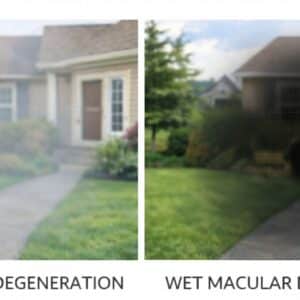
What Is Macular Degeneration?
- Dry (atrophic) macular degeneration: slow, gradual vision loss
- Wet (neovascular) macular degeneration: sudden, unpredictable vision loss due to abnormal blood vessels
Symptoms of Macular Degeneration That Affect Driving
- Blurred central vision
- Distorted vision (straight lines appear wavy)
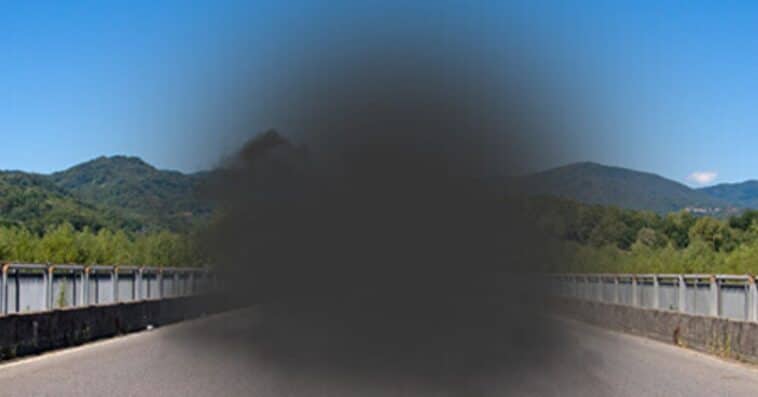
- Dark or empty spots in the center of vision (central scotoma)
- Reduced contrast sensitivity (difficulty seeing in rain, fog, dusk)
- Increased glare sensitivity from headlights or sunlight
- Difficulty adapting to changes in lighting (tunnels, nighttime driving)
Legal Vision Requirements for Driving With Macular Degeneration

| Best-corrected visual acuity | 20/40 – 20/60 (varies by region) |
| Horizontal visual field | ≥ 120° |
| Central vision | No dense central scotoma |
| Binocular vision | Usually required |
- Daytime-only driving
- Speed-limited driving
- Driving with bioptic telescopic lenses
Legal Permission vs Medical Safety (Critical Distinction)
Your eye doctor will decide if it is safe for you to drive by checking how stable your vision is, how well you see in different situations, how you deal with glare, and how fast you can react.
Dry vs Wet Macular Degeneration: Can You Drive?

| Early dry AMD | Low to moderate |
| Intermediate dry AMD | Moderate |
| Advanced dry AMD (geographic atrophy) | High |
| Wet AMD | Very high |
Risks of Driving With Macular Degeneration
- Recognition of pedestrians and cyclists
- Reading traffic signs at safe distances
- Judging speed and distance
- Reacting quickly to sudden hazards
- Driving safely at night or in glare conditions
Clear Medical Signs You Should Stop Driving
- You miss pedestrians, cyclists, or traffic lights.
- Road signs are unreadable until very close.
- Central dark spots interfere with driving.
- Headlight glare causes temporary blindness.
- You feel anxious or unsafe while driving.
- Your ophthalmologist advises you to stop.
Importance of Regular Eye Exams and Treatment
- Monitor disease progression
- Detect sudden changes in vision.
- Adjust treatment plans
- Reassess driving fitness over time.
Adjusting Driving Habits for Low Vision
- Driving only during daylight
- Avoiding highways and heavy traffic
- Increasing following distance
- Avoiding bad weather
- Planning routes in advance
- Using voice-guided GPS navigation
Vehicle Modifications to Improve Safety
- Larger or panoramic mirrors
- Anti-glare visors or lenses
- Properly aligned, bright headlights
- Voice-activated vehicle controls
- Automatic transmission
Driver Rehabilitation Specialists: When to Consider One
- Assess real-world driving ability.
- Evaluate visual and cognitive function.
- Recommend adaptive equipment
- Provide retraining or advise driving cessation.
Assistive and Adaptive Technology for Low Vision

- Bioptic telescopic lenses (where legal)
- Digital magnification systems
- High-contrast navigation apps
- Voice-controlled smartphones
- Text-to-speech software
Other Medical Conditions That Affect Driving Safety
- Hearing loss
- Cognitive impairment
- Medication side effects
- Sleep disorders
- Arthritis or limited mobility
FAQ
Yes, if your vision meets legal requirements and the disease is stable.
Is it safe to drive with wet macular degeneration?
Usually, no, due to the risk of sudden vision loss.
Can bioptic lenses allow driving with macular degeneration?
In some regions, yes, under strict regulations and training.
Yes. Glare sensitivity and reduced contrast make night driving dangerous.
Who decides if I should stop driving?
Your ophthalmologist, sometimes with a driver rehabilitation specialist.
Final Medical Advice
- Objective vision testing
- Legal compliance
- Medical judgment
- Honest self-assessment