


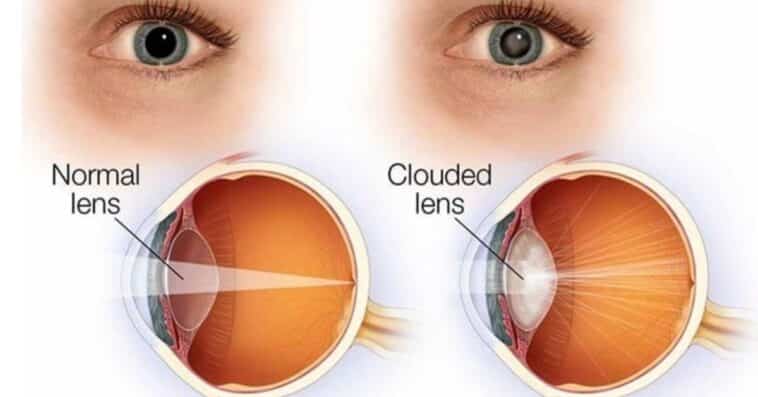
Cataracts often develop slowly. Early symptoms can be hard to notice. Many people think these changes are due to eye strain or needing new glasses. Finding cataracts early can help protect your vision.
Cataracts are the leading cause of reversible vision loss worldwide and are diagnosed through a comprehensive eye examination.
Here is an overview of early cataract symptoms. Some changes are normal, but others may be a sign of a problem. This can help you know when to schedule an appointment with your eye doctor.
1. Blurry or Cloudy Vision
Blurry vision that comes and goes during the day is often an early sign of cataracts.
You may notice:
- Vision that looks slightly foggy or hazy
- Trouble seeing fine details
- Fluctuating clarity during the day
Many people think these changes are caused by eye strain or dryness. In early cataracts, the lens becomes cloudy, scattering light. This makes vision less clear.
If your vision stays blurry even after resting your eyes or getting new glasses, cataracts may be the cause.
2. Increased Sensitivity to Light and Glare
You may begin to notice that bright lights become uncomfortable or bothersome.
Common complaints include:
- Glare from sunlight
- Halos around lights
- Discomfort under LED or fluorescent lighting
This happens because early protein changes in the eye’s natural lens cause light to scatter instead of focusing sharply on the retina.
This makes it harder to tolerate bright lights.
You may need to wear sunglasses more often, even when it is not very bright outside.
3. Difficulty Seeing at Night
Difficulty seeing in low-light conditions, such as at night, is a common early symptom of cataracts.
You might notice:
- Headlights look too bright or star-shaped.
- Trouble driving at night
- Reduced contrast in low light
Changes in night vision often occur before any noticeable problems develop during the day.
Many people find out they have early cataracts when driving at night becomes harder.
4. Colors Appear Dull or Yellowed
Colors may appear less vibrant or slightly faded.
You may experience:
- Whites looking off-white or yellowish.
- Colors appearing faded
- Difficulty telling similar colors apart
Because this change develops gradually, it is often not noticed until it is detected during a comprehensive eye exam.
You may need more light for reading or close-up work.
5. Frequent Changes in Glasses or Contact Lens Prescription.
If you notice that your vision prescription changes frequently, early cataracts may be the underlying cause.
Early cataracts can cause:
- Temporary improvement in near vision (“second sight”)
- Rapid prescription shifts
- Reduced benefit from new glasses
These changes occur because the lens gradually becomes cloudier and may alter its shape over time.
You may find that new glasses provide only temporary improvement, and the benefits do not last.
6. Double Vision in One Eye
Seeing double in just one eye doesn’t happen as often, but it can be an early sign of cataracts.
This may look like:
- A ghost image beside objects
- Shadowed or overlapping images
If you close the eye with the cataract, the double vision usually goes away. That’s different from double vision caused by nerve problems.
If you notice double vision in one eye, make an appointment with your eye doctor to have it checked.
7. Vision That Feels Different or Hard to Describe
Some people notice a change in their vision that’s difficult to explain. They may say:
“My vision isn’t as sharp as it used to be, but I can’t pinpoint what’s wrong.”
This kind of change can be an early sign of cataracts. It often develops slowly and may precede other symptoms, such as glare or difficulty seeing at night. Small changes in the lens can make your vision less clear, even if it still seems mostly normal.
If your vision feels different, less clear, or not quite right, you should schedule an eye exam. Your eye doctor can determine whether these changes are due to early cataracts or another eye problem and tell you what to do next.
When Should You See an Eye Doctor?
You do not have to wait until your vision is very poor to see your eye doctor.
Schedule an eye exam if:
- Symptoms persist or worsen.
- Night driving becomes difficult.
- Light sensitivity increases
- Glasses stop helping as expected.
If cataracts are detected early, your eye doctor can monitor their progression and advise you on when treatment may be necessary, often well before surgery is required.
Can Early Cataracts Be Treated Without Surgery?
In the early stages, cataract symptoms can often be managed but not reversed without surgery.
Non-surgical options may include:
- Updated glasses or contact lenses to improve visual clarity
- Brighter, well-positioned lighting for reading and close work
- Anti-glare or anti-reflective lenses to reduce halos and light sensitivity
- UV-blocking sunglasses to protect the lens from further light-related stress
These measures can improve visual comfort and day-to-day function for a period of time. However, they do not remove cataracts or stop their progression.
Cataracts happen because the lens in your eye changes over time. These changes cannot be reversed with medicine, eye drops, or lifestyle changes.
Cataract surgery is the only way to remove cataracts. Surgery is usually recommended when cataracts make it hard to do daily activities like reading, driving, or seeing faces, especially at night. If you have early cataracts, your eye doctor will watch your vision and help decide when surgery is needed, based on how your vision affects your life.
Conclusion
Early cataract symptoms are often mild and get worse slowly. This is why they are often missed or mistaken for normal aging. But changes like increased glare, trouble driving at night, faded colors, or the need for new glasses can often be early signs of cataracts and should not be ignored.
Cataracts do not go away on their own. New glasses, better lighting, and glare reduction can help for a while, but the lens clouding will keep getting worse. Only a comprehensive eye exam can determine whether you have cataracts and how they affect your vision.
Finding cataracts early lets your eye doctor watch them, teach you about your options, and plan treatment before vision loss affects your daily life or safety. If you notice changes in your vision that do not go away, such as increased glare or trouble seeing at night, getting an eye exam is an important way to protect your eye health.