



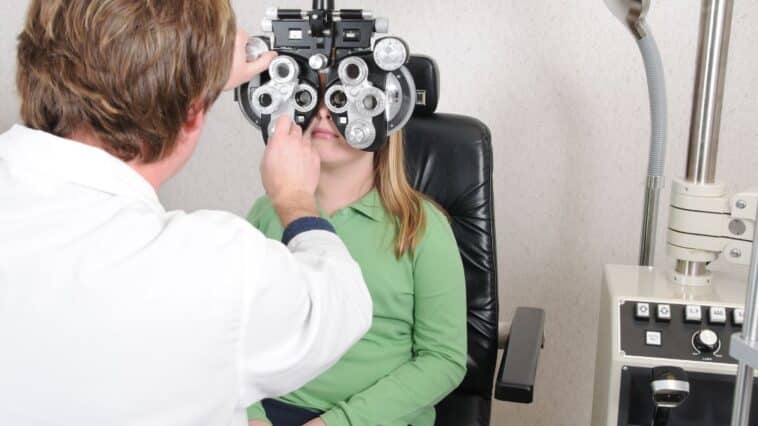
Choosing the right eye doctor for your child is an important part of protecting their vision and supporting their growth. Good eyesight helps children learn, read, play, and connect with others. If vision problems go undetected, they can affect your child’s schoolwork, behavior, and self-esteem.
Children’s eyes are still developing, so they need eye care that fits their age and specific needs. Knowing which eye care professional to see and when to get help can make things easier for you and your family.
Understanding the Types of Eye Doctors for Children
There are different types of eye care specialists who see children. Understanding what each one does can help you choose the right care and ensure your child receives the best evaluation and treatment.
Pediatric Ophthalmologist (MD)
These are medical doctors who specialize in both medical and surgical eye care for children. They treat diseases such as:
- Congenital cataracts
- Ptosis (droopy eyelid)
- Strabismus (eye misalignment)
- Amblyopia (lazy eye)
- Pediatric glaucoma
- Eye injuries and infections
Pediatric ophthalmologists complete medical school, a residency in ophthalmology, and additional training focused on pediatric eye problems.
They are the right choice when your child has:
✔ A diagnosed eye disease
✔ A need for surgery
✔ A complex or unexplained vision problem
✔ A need for surgery
✔ A complex or unexplained vision problem
Optometrist (OD)
Optometrists are often the first to see children for vision checks. They assess how well your child sees and how their eyes work together. During an exam,they may:y:
- Check visual acuity
- Measure refractive error (glasses prescription)
- Test how well your child’s eyes coordinate and focus.
- Examine the overall health of your child’s eyes.
- Prescribe glasses or recommend therapeutic eye drops if needed.
Optometrists are ideal for:
✔ Routine eye exams
✔ Glasses prescriptions
✔ Monitoring mild conditions
✔ Follow-up care for stable patients
✔ Glasses prescriptions
✔ Monitoring mild conditions
✔ Follow-up care for stable patients
If the optometrist finds a more serious problem during the exam, they will send your child to a pediatric ophthalmologist for more testing and treatment.
Orthoptist (CO)
Orthoptists are specialists who help with eye alignment and movement problems in children. They often work with pediatric ophthalmologists and are trained to check for:
- Strabismus (crossed, wandering, or drifting eyes)
- Amblyopia (lazy eye)
- Double vision
- Eye muscle weakness
- Nystagmus (involuntary eye movements)
Orthoptists create non-surgical treatment plans for eye alignment issues, including patching, vision exercises, prism glasses, and vision stimulation.
- Patching
- Vision stimulation programs
- Prism glasses
- Eye exercises
Orthoptists are important for regular check-ups and therapy if your child has eye alignment problems.
Where Should Parents Start?
Where you start depends on your child’s vision or eye health needs:
Start with an Ophthalmologist (MD) if your child has:
- Eye misalignment
- A droopy eyelid (ptosis)
- A known congenital condition
- A history of prematurity and ROP risk
- Severe eye infections
- Trauma or sudden vision loss
Start with an Optometrist (OD) if your child needs:
- Routine vision screening
- A glasses prescription
- A check-up after failing a school vision test
- Evaluation for headaches or blurry vision
If your child needs more specialized care, the optometrist will refer you to the right specialist so your child gets the care they need as soon as possible.
What Happens During a Child’s Eye Exam?
A pediatric eye exam is gentle and made to fit your child’s age and comfort.
Here is what usually happens during your child’s eye exam:
The exam usually includes several steps:
- A vision test using age-appropriate charts
- Depth perception and eye-tracking tests
- Refraction to determine the glasses prescription
- Alignment checks to see how the eyes work together
- A dilated exam allows the doctor to check the back of the eye for hidden issues.
Dilation is safe and important because it helps the doctor find:
- Retinal diseases
- Congenital cataracts
- Optic nerve problems
- Tumors
- Hidden refractive errors
After the exam, the doctor will talk with you about the results and what to do next. This may include prescribing glasses, recommending patching, watching your child’s vision, or sending you to another specialist if needed.
When Should a Child See an Orthoptist?
Your child may see an orthoptist if there are concerns about how their eyes move or line up.
Common reasons:
- One eye turns inward or outward.
- Intermittent drifting
- Difficulty maintaining eye contact
- Complaints of double vision
- A history of amblyopia
- Suspected eye muscle issues
Orthoptists often manage non-surgical treatments for eye movement problems. They will check your child’s progress and change the treatment plan as your child’s eyes grow and develop.
What to Expect at an Orthoptist Visit
At an orthoptist visit, you can expect:
- Detailed vision testing
- Eye movement and binocular vision assessment
- Stereopsis (3D depth perception) testing
- Discussion of treatment options: patching, prisms, or exercises
- Collaboration with the ophthalmologist
Many parents appreciate these visits because orthoptists teach families how to help with treatment at home.
At What Age Should Your Child See an Eye Doctor?
Experts recommend the following schedule for children’s eye exams:
✔ First eye exam: 6 months of age
This first exam checks for early problems like cataracts, strabismus, or major vision errors.
✔ Next exam: 3 years old
This visit checks your child’s early vision before they start preschool.
✔ School-age exam: before first grade (around age 5)
This exam helps find any vision problems that could affect your child’s learning in school.
✔ After that: every 1–2 years
Your child may need more frequent exams if they wear glasses or have an eye condition.
See an eye doctor immediately if your child has:
- A white or gray pupil
- Drifting or misaligned eyes
- Squinting or covering one eye
- Poor tracking
- Excessive tearing or light sensitivity
- Delayed visual milestones
Conclusion
Choosing the right eye doctor for your child helps protect their vision and support their growth. Early eye care can make a big difference in your child’s long-term eye health. Optometrists, ophthalmologists, and orthoptists each have a special role in your child’s care. Knowing which specialist to see and when helps your child get the best care when they need it.
By scheduling regular eye exams, looking out for warning signs, and working with eye care professionals, you can help your child build a strong foundation for healthy vision and development.
FAQs
1. How do I know if my child needs to see an eye doctor?
Many children do not report vision problems, so it is important for parents to watch for signs such as squinting, eye rubbing, eyes that drift or do not line up, headaches, or trouble seeing the board at school. If you notice any of these signs, schedule an eye exam for your child.
2. Should my child see an optometrist or ophthalmologist first?
For regular vision checks, start with an optometrist. If your child has a medical eye problem, eyes that do not line up, or has been told to see a specialist, a pediatric ophthalmologist is the right choice.
3. Are pediatric eye exams different from adult eye exams?
Yes, pediatric eye exams are different from adult exams. They use tools, games, and charts that fit your child’s age to make the exam comfortable. These exams check vision, eye alignment, depth perception, focusing, and important steps in your child’s visual development.
4. How often should children get their eyes checked?
Most children should have eye exams at 6 months, 3 years, before starting school, and then every 1 to 2 years. Children who wear glasses or have certain health risks may need more frequent exams.
5. What are the most common eye problems in children?
The most common eye problems in children are refractive errors such as nearsightedness, farsightedness, and astigmatism, as well as amblyopia (lazy eye), strabismus (eyes that do not line up), ptosis, and difficulty focusing. Finding and treating these problems early can make a big difference in your child’s long-term vision.