


Pink eye, or conjunctivitis, is a common eye condition that often leads people to visit their eye doctor or an urgent care center. It can cause your eyes to look red, feel irritated, water, and sometimes produce discharge.
It is important to know that not all cases of pink eye are the same. The best treatment depends on the specific type of conjunctivitis you have.
This guide explains which eye drops work best for each type of pink eye, how they can help your symptoms, and when you should see an eye doctor for a full exam.
Types of Eye Drops for Pink Eye
Pink eye means inflammation of the conjunctiva, the thin, clear membrane covering the white part of your eye.
This inflammation can be caused by viruses, bacteria, allergies, or irritants such as smoke or chemicals. Each cause requires a different approach to treatment.
Here is an overview of the main types of eye drops that may be used to treat pink eye, depending on what is causing your symptoms.
1. Artificial Tears (Lubricating Drops)
These drops help with irritation, burning, dryness, or if it feels like there’s sand or grit in your eyes.
Best for:
- Viral conjunctivitis
- Pink eye from dryness, pollution, smoke, or screen strain
Why they help:
Artificial tears help wash away irritants, keep your eyes moist, and make them feel more comfortable. They do not cure infections, but they can help your eyes feel better as they heal.
2. Antibiotic Eye Drops
Antibiotic drops are used only for bacterial pink eye. They will not help if your pink eye is caused by a virus or allergies.
Common prescriptions include:
- Moxifloxacin
- Ofloxacin
- Tobramycin
- Gentamicin
How they work:
These medicines work by stopping bacteria from growing and clearing up the infection. Most people notice less redness, discharge, and irritation within a day or two.
These medicines work by stopping bacteria from growing and clearing up the infection. Most people notice less redness, discharge, and irritation within a day or two.
Keep in mind that antibiotics will not help if your pink eye is due to a virus or allergies.
3. Antihistamine Eye Drops
Antihistamine drops are used when pink eye is caused by allergies.
Ideal for symptoms like:
- Itching
- Tearing
- Puffy eyelids
- Stringy discharge
How they work:
These drops block histamine, a chemical your body releases during an allergic reaction. Some also include a mild decongestant to help reduce redness.
These drops block histamine, a chemical your body releases during an allergic reaction. Some also include a mild decongestant to help reduce redness.
4. Steroid Eye Drops
Steroid eye drops are used for severe inflammation that does not respond to other treatments.
Who needs them:
- Intense allergic conjunctivitis
- Inflammatory pink eye
- Severe irritation from toxins or chemicals
Why these drops require a prescription:
Steroid eye drops can increase the pressure inside your eye and may cause other complications. Because of these risks, they should only be used under the supervision of an eye doctor.
Steroid eye drops can increase the pressure inside your eye and may cause other complications. Because of these risks, they should only be used under the supervision of an eye doctor.
5. Combination Drops
Combination eye drops have both an antibiotic to treat infection and a steroid to reduce inflammation.
When they’re used:
- Severe bacterial conjunctivitis
- Post-surgical inflammation
- Cases where infection and inflammation occur together
These combination drops should only be used if your eye doctor prescribes them and will monitor your progress.
Prescription Eye Drops for Bacterial Pink Eye
If your eye doctor finds that you have bacterial conjunctivitis, they may prescribe one of the following medications:
Moxifloxacin (Vigamox) | Stops bacterial DNA replication |
Ofloxacin (Ocuflox) | Treats most common eye bacteria |
Tobramycin (Tobrex) | Targets moderate to severe infections |
Gentamicin | Broad-spectrum antibiotic action |
Even if your symptoms improve before you finish your medication, it is important to complete the full course as prescribed. This helps prevent the infection from recurring and reduces the risk of antibiotic resistance.
How to Choose the Right Eye Drops
Before you use any eye drops, keep these factors in mind:
✔️ 1. What type of pink eye do you actually have
- Viral → artificial tears
- Bacterial → antibiotic drops
- Allergic → antihistamines
- Chemical/irritant → flushing + lubricants
✔️ 2. Age and safety
Some eye drops are not safe for infants or older adults unless they are approved by your eye doctor.
✔️ 3. Existing medical conditions
If you have glaucoma, diabetes, or have recently had eye surgery, these conditions may affect which eye drops are safe for you. Always check with your doctor before starting any new medication.
✔️ 4. Sensitivity to preservatives
Preservative-free eye drops are often the best choice if you:
- Chronic use
- Dry eye
- Children
- Sensitive eyes
✔️ 5. Duration of symptoms
If your symptoms last longer than 2 or 3 days, you should see an eye doctor for an evaluation.
Tips for Chronic or Recurrent Pink Eye
If you have pink eye that keeps coming back, you may want to consider the following steps:
- Choose preservative-free lubricants
- Talk to your doctor about whether longer-acting antihistamine eye drops could help, especially if allergies are the cause of your symptoms.
- Consider allergy testing
- Applying a cold compress to your eyes can help reduce swelling and make your eyes feel more comfortable.
- Do not wear contact lenses while you have pink eye, as this can worsen irritation and may spread the infection.
If you have ongoing inflammation, your doctor may recommend combination eye drops to help manage your symptoms.
How to Use Eye Drops Correctly
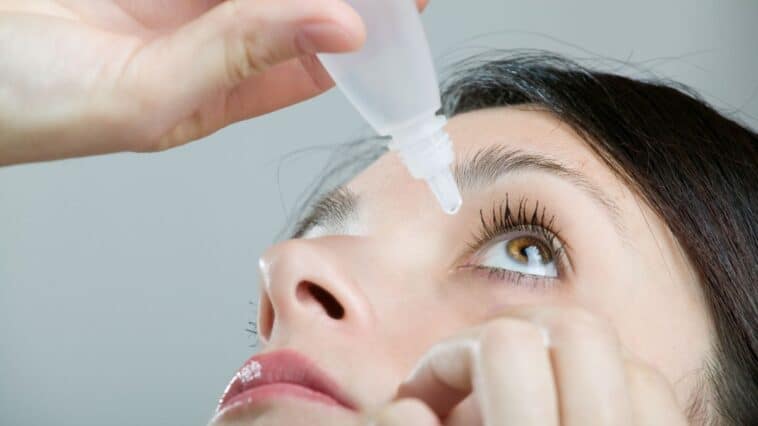
Using the correct technique when putting in eye drops can help your treatment work more effectively.
- Wash your hands thoroughly.
- Tilt your head back and look upward.
- Gently pull down your lower eyelid.
- Place one drop into the small pocket formed by gently pulling down your lower eyelid, rather than putting it directly on the eye.
- Close your eyes gently for about 30 seconds without blinking.
- Wait at least five minutes between using different types of eye drops.
- Wash your hands again.
Be careful not to let the dropper touch your eye, because this can contaminate the bottle.
Pros and Cons of Eye Drops for Pink Eye
Pros
- Quick symptom relief
- Easy to use
- Widely available
- Effective when used correctly
Cons
- Not all types of eye drops treat the underlying cause of pink eye.
- Risk of contamination
- Steroid eye drops must be carefully monitored by an eye care professional.
- Antibiotic eye drops do not work for viral infections.
When Pink Eye Persists
You should see an eye doctor as soon as possible if you have any of the following symptoms:
- Symptoms lasting longer than 5–7 days
- Sensitivity to light
- Moderate to severe pain
- Blurred or reduced vision
- Thick yellow or green discharge
- Pink eye after contact lens use
Persistent conjunctivitis may signal:
- Keratitis
- Uveitis
- Allergic flare
- A more serious infection
Seeing your eye doctor quickly can help prevent serious problems and protect your vision.
Conclusion
Pink eye is common, but the best treatment depends on what is causing your symptoms.
Lubricating drops are often used for viral pink eye, while prescription antibiotics are needed for bacterial infections.
Choosing the right treatment can help you recover faster.
If you are not sure what is causing your symptoms, or if they get worse, see an eye doctor. Getting the right diagnosis is the best way to ensure you receive the safest and most effective treatment for your eyes.
FAQ
1. Can pink eye go away without eye drops?
Yes. Many cases of viral pink eye get better on their own in a few days. Lubricating drops can help your eyes feel more comfortable, but antibiotics will not help unless your pink eye is caused by bacteria.
2. Are eye drops safe to use if I wear contact lenses?
Not always. Stop wearing contact lenses if you have pink eye, and use only eye drops your doctor approves. Wearing contacts while you have pink eye can make irritation worse and may spread the infection.
3. Do natural remedies help with pink eye?
Cold compresses and preservative-free artificial tears can help soothe your symptoms. Home remedies like honey or breast milk are not safe and can make the infection worse.
4. How long until eye drops start working for pink eye?
Antibiotic drops usually start to improve bacterial pink eye within 1 to 2 days. Antihistamine eye drops for allergies often relieve itching within minutes.
5. Can pink eye spread even if I’m using eye drops?
Yes. Pink eye, especially the viral type, can still spread to others for several days. Practicing good hygiene is very important. Wash your hands often, do not share towels, and avoid rubbing your eyes.