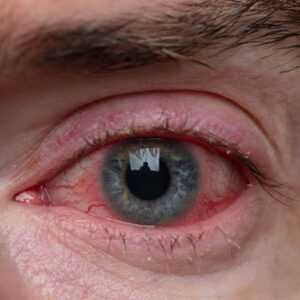




Eye Pain: Causes, Symptoms, Treatment, and When to Get Help

Eye Pain

What Is Eye Pain?

Eye pain means your eye, or the area around it, hurts or feels sore. It might be mild or very strong. People describe it in different ways.

Some people describe eye pain as burning or gritty, like sand in the eye. Others feel pressure or a throbbing ache, which may worsen when blinking or moving the eyes.

Sometimes eye pain is accompanied by redness, tearing, light sensitivity, or changes in vision. Other times, the eye looks normal even though it hurts.

It is important to tell the difference between true eye pain and general discomfort. Mild dryness or irritation after using screens is common and usually not serious. But if eye pain is sudden, severe, or does not go away, it could be a sign of inflammation, infection, injury, or changes in eye pressure.

Many causes of eye pain are minor and can be treated easily. But some conditions need quick medical attention to protect your vision. Paying attention to how your eye pain feels and any other symptoms can help you know when to see a doctor.

Common Causes of Eye Pain

Eye pain can have many causes. It may start on the surface of the eye, inside the eye, or come from nearby nerves or sinuses. Finding the source helps determine how serious the problem is.

A-Surface-Related Causes (Most Common)

The surface of your eye is very sensitive. Even small problems can cause discomfort.

Dry eye disease is a common cause of eye pain. When your tears are not enough or do not protect the eye well, the surface becomes irritated. This can cause burning, stinging, or a gritty feeling. Sometimes, dry eyes can cause sharp pain, not just dryness.

Allergies can cause eye pain, often with itching, redness, and tearing. Rubbing your eyes can make the irritation and discomfort worse.

Eye infections, like conjunctivitis or eyelid inflammation, can cause soreness, tenderness, or the feeling that something is in your eye. You may also notice discharge, redness, or crusting on your eyelids.

A foreign object, like dust, sand, or an eyelash under your eyelid, can cause sudden eye pain that gets worse when you blink. Even tiny particles can cause a lot of pain.

B- Internal Eye Causes (More Serious)

Pain that starts inside your eye is often more serious. It should be checked by an eye doctor.

A corneal abrasion or ulcer is a scratch or sore on the clear front part of your eye. This can cause severe pain, light sensitivity, and tearing. These injuries often happen after trauma, contact lens problems, or rubbing your eyes.

Uveitis and iritis are types of inflammation inside the eye. They can cause deep aching pain, blurred vision, and sensitivity to light. These problems may be linked to autoimmune diseases or infections.

Acute angle-closure glaucoma is a medical emergency. It causes sudden eye pain, headache, nausea, and halos around lights. Vision can change rapidly due to a sudden rise in eye pressure. If you notice these symptoms, seek immediate treatment to prevent permanent vision loss.

Increased pressure inside your eye, even if you do not have glaucoma, can cause discomfort or a feeling of pressure. Some people are more sensitive to these changes.

C- Nerve, Sinus, and Head-Related Causes
Sometimes, eye pain does not actually start in the eye itself.

Pain behind your eye is often caused by sinus inflammation or congestion. This can happen during a cold, allergies, or a sinus infection. The pain may get worse when you bend forward or press on your sinuses.

Migraines and headaches can cause eye pain even when your eye looks normal. Migraine-related eye pain often comes with light sensitivity, vision changes, or nausea.

Inflammation of the optic nerve, called optic neuritis, can cause eye pain that gets worse when you move your eyes. It may also cause changes in vision. This condition needs to be checked by an eye doctor right away.
Nerve-related eye pain can seem like other eye problems. An eye exam is important to find the real cause.

Eye Pain Symptoms: What Your Pain Is Telling You

How your eye pain feels, along with any other symptoms, can give important clues about the cause.

Eye Pain With Redness
Eye pain with redness often means there is irritation, infection, or inflammation on the surface of your eye. Conditions like conjunctivitis, corneal problems, and uveitis can cause both pain and visible redness.

Redness with severe pain, light sensitivity, or vision changes is more serious and should be checked right away. If you notice any of these symptoms, see an eye doctor as soon as possible.

Eye Pain Without Redness
Not all serious eye pain causes visible redness. Pain without redness may be due to dry eye disease, nerve problems, sinus issues, or headaches.

This type of pain is sometimes ignored because your eye looks normal. If the pain does not go away, gets worse, is only in one eye, or comes with vision changes, see an eye doctor.

Eye Pain With Vision Changes

Eye pain with blurred vision, double vision, halos, or sudden vision loss should always be taken seriously. These symptoms can mean a corneal injury, inflammation inside the eye, or dangerous changes in eye pressure.

If you have pain and vision changes at the same time, see an eye doctor right away to protect your vision. These symptoms need urgent medical attention.

Types of Eye Pain

Eye pain can feel different for each person. How it feels can help show what is happening inside or around your eye.

Some types of eye pain are caused by irritation on the surface. Others are due to inflammation, pressure changes, or nerve problems. Noticing how your pain feels, when it happens, and what makes it worse can help your doctor find the cause and the right treatment.

Below are the most common types of eye pain and what they may indicate.

Sharp or Stabbing Eye Pain
Sharp or stabbing eye pain usually starts suddenly. It may feel like a sudden jab in or around your eye.
This type of pain is commonly associated with:
  • Corneal irritation or injury
  • A foreign body trapped in the eye
  • Corneal abrasions or ulcers
  • Inflammation inside the eye, such as uveitis

If sharp pain gets worse when you blink or look at light, it is especially concerning. If the pain is severe, does not go away, or comes with vision changes or redness, see an eye doctor right away. These symptoms may need urgent evaluation to protect your vision.

Burning or Gritty Eye Pain
Burning eye pain often feels gritty, sandy, or scratchy. It can feel like something is in your eye, even when nothing is there.
The most common causes are dry eye disease, allergies, and surface eye irritation. Environmental factors like screen use, air conditioning, wind, or smoke can make symptoms worse.

Burning eye pain is usually not dangerous. But if it is severe or does not go away, it can affect your comfort and vision. Untreated surface problems may lead to more serious issues.

Throbbing or Pulsating Eye Pain
Throbbing eye pain feels deep and rhythmic. It can feel like pressure that comes and goes.
This type of pain is frequently linked to:
  • Migraines or severe headaches
  • Sinus congestion or infection
  • Inflammation affecting deeper eye structures

Throbbing pain may get worse with movement, light, or changes in head position. If your eye pain comes with headaches or nausea, the cause may not be the eye itself. If you have vision changes or severe pain, get an eye exam right away to rule out serious problems.

Dull, Aching Eye Pain
A dull, aching feeling around or behind your eye is usually less intense but lasts longer. It can feel like eye strain or deep soreness.

Common causes include long screen use, uncorrected vision problems, eye muscle strain, or pressure from sinus issues. Stress and tiredness can also make this discomfort worse.

Dull eye pain is often not serious. But if it gets worse over time or makes it hard to do daily activities, it should be checked by a doctor, especially if it is only in one eye. If it is severe, sudden, or comes with vision changes, seek medical care right away.

Pain Behind the Eye
Pain behind your eye is common. It may feel like pressure or fullness deep in the eye socket, not on the surface.
This type of pain is commonly associated with:
  • Sinus inflammation or congestion
  • Migraine headaches
  • Nerve-related conditions
  • Increased eye pressure in certain situations

Severe pain behind one eye, or pain with vision changes, should be checked right away to find out if the cause is inside the eye, nerve-related, or from the sinuses.

Eye Pain When Blinking
Eye pain that gets worse when you blink often means there is a problem on the surface of your eye or inside your eyelid.
Possible causes include:
  • A foreign body or debris
  • Corneal scratches
  • Severe dry eye
  • Eyelid inflammation

Pain when blinking is common after rubbing your eyes, using contact lenses, or minor injuries. If the pain does not go away after rinsing your eye or removing contact lenses, or if you notice vision changes, see an eye doctor promptly to check for a corneal injury.

Why Pain Type Matters
Knowing what type of eye pain you have can help narrow down the possible causes. But this does not replace a medical diagnosis. Some serious eye problems can look like minor irritation at first.

Eye Pain in One Eye vs Both Eyes

Whether eye pain is in one eye or both eyes can give important clues about the cause. This does not replace an eye exam, but it can help you know what might be happening and when to see a doctor.

Eye Pain in One Eye
Pain in just one eye is more likely to be caused by a problem in that eye. It could be on the surface, inside the eye, or in the tissues nearby.
Common causes of one-sided eye pain include:
  • A foreign body or corneal scratch
  • Eye infections affecting a single eye
  • Inflammation inside the eye, such as uveitis
  • Eye injuries or irritation from contact lenses
  • Certain types of glaucoma or pressure-related issues

Pain in one eye is more concerning if it starts suddenly, worsens quickly, or is accompanied by redness, light sensitivity, or vision changes. If you notice any of these symptoms, see an eye doctor right away to protect your vision.

Eye Pain in Both Eyes
Pain in both eyes at the same time often indicates a cause in your whole body or the environment, not just one eye.
Common causes include:
  • Dry eye disease
  • Allergies
  • Eye strain from prolonged screen use
  • Viral infections
  • Environmental irritants such as smoke or wind

Pain in both eyes is usually less urgent, especially if symptoms develop slowly and get better with rest or eye drops. But if pain in both eyes does not go away, or if you have vision problems or severe discomfort, see an eye doctor.

Why This Difference Matters
Eye pain in one eye is more likely to need urgent attention. Pain in both eyes is often related to chronic or manageable conditions. Still, there are exceptions. Any eye pain that is severe, unusual, or getting worse should be taken seriously, no matter how many eyes are affected.

Eye Pain and Headache: What’s the Connection?

Eye pain and headaches often occur together, making it hard to know where the problem starts. Sometimes, the eye can cause a headache. Other times, the headache causes eye pain.

Understanding this connection can help you and your doctor determine whether the problem is in your eyes, nerves, or sinuses.

When the Eye Causes the Headache
Certain eye conditions can cause headaches because of strain, pressure, or inflammation.
These include:
  • Uncorrected vision problems
  • Eye muscle imbalance or fatigue
  • Acute eye pressure changes
  • Inflammation inside the eye

In these cases, treating the eye problem often helps the headache go away too.

When the Headache Causes Eye Pain

More often, eye pain is a symptom of a headache problem, not an eye disease.

Migraines, for example, can cause deep eye pain, light sensitivity, vision changes, and nausea, even when your eyes are healthy. Sinus headaches can also cause pressure and pain behind or around your eyes, especially during infections or allergy flare-ups.

Even though these conditions may not harm your eyes directly, it is still important to have an eye exam to rule out serious eye problems before assuming symptoms are only from headaches.

Warning Signs That Need Medical Attention
Eye pain with headache should be evaluated promptly if it is associated with:
  • Sudden or severe onset
  • Vision loss or double vision
  • Nausea and vomiting with eye pain
  • Redness or halos around lights
  • Pain that worsens rapidly
These symptoms could mean dangerous changes in eye pressure or nerve problems that need immediate care.

What Causes Eye Pain in Different Situations?

Eye pain does not always come from just one condition. It is often triggered or made worse by how and when you use your eyes. Noticing these patterns can help explain why eye pain appears at certain times and what steps may help relieve it.

Eye Pain After Screen Use
Spending a long time looking at screens is a common cause of eye pain. When you focus on digital devices, you blink less and your tears dry out faster. This can cause dryness, burning, aching, or a feeling of pressure around your eyes.
Screen-related eye pain may also be accompanied by:
  • Blurred or fluctuating vision
  • Headaches or eye fatigue
  • Sensitivity to light

Most cases get better with regular breaks, good lighting, and lubricating eye drops. But if pain after screen use does not go away, it may be a sign of dry eye disease or other vision problems that should be checked.

Eye Pain in the Morning

Waking up with eye pain can be concerning. Morning discomfort is often caused by dryness that gets worse overnight. This is more common if you sleep with your eyes partly open or live in a dry area.

Other possible causes include eyelid inflammation, rubbing your eyes at night, or problems on the surface of your eye that you notice when you wake up. Sharp pain in the morning that gets better during the day may be a sign of a corneal problem. It should not be ignored.

Eye Pain After Contact Lens Use

Contact lenses can sometimes cause eye pain, especially if you wear them longer than recommended or do not clean them properly. Pain from contact lenses may feel sharp, gritty, or burning and often gets worse with blinking.

Possible causes include less oxygen reaching your cornea, surface irritation, or an early infection. If you wear contact lenses and have pain that does not go away, redness, or changes in vision, stop wearing your lenses and see an eye doctor right away.

Eye Pain After Rubbing or Minor Injury

Rubbing your eyes can irritate the surface and worsen inflammation, especially if you have allergies or dry eyes. Minor injuries, such as being poked in the eye or getting debris in the eye, can scratch the cornea and cause significant pain.

Eye pain after an injury should always be taken seriously. Even minor injuries can lead to infection or slow healing if not treated.

Eye Pain During Illness or Allergies
Colds, sinus infections, and allergies can all cause eye pain. Sinus pressure often causes pain behind or around your eyes. Allergies can cause burning, soreness, and light sensitivity.
 
In these cases, eye pain usually improves as the illness or allergy resolves. But if the pain gets worse or you notice changes in your vision, you should have an eye exam to check for other problems.
 

Eye Pain Treatment Options

The way you treat eye pain depends on the cause. Some types of eye pain improve with simple home care, while others require prescription medication or urgent medical attention. Understanding which treatments are safe and knowing when to see an eye doctor can help protect your comfort and your vision.

  • At-Home Relief (When Appropriate)
Mild eye pain caused by dryness, tiredness, or irritation often gets better with simple care you can do at home.
 

Lubricating eye drops, or artificial tears, can help with surface irritation and make your eyes feel better. If you use drops often, preservative-free drops are usually best, especially for dry eyes.

Warm or cold compresses can help. Warm compresses are good for swollen eyelids or blocked oil glands. Cold compresses can reduce swelling and relieve allergy-related irritation.
 
Resting your eyes after prolonged screen use can help reduce eye strain. Taking breaks, using good lighting, and adjusting your screen height can also make your eyes feel better.

You should only use home care if your eye pain is mild, improving, and not associated with vision changes, severe redness, or sensitivity to light.

  • Medical Treatments for Eye Pain
If your eye pain is moderate, does not improve, or is getting worse, it is important to see an eye doctor.
 
Your doctor may prescribe anti-inflammatory or antibiotic eye drops to treat infections, inflammation, or injuries affecting the cornea. These medicines address the underlying cause of the problem, not just the symptoms.

In some cases, you may need oral medicine to treat pain from inflammation, sinus problems, or other health conditions. If your eye pain is caused by high eye pressure, special treatment may be needed to lower the pressure and protect your vision.

Some eye problems require treatment in the eye doctor’s office. This may include removing a foreign object from the eye, treating corneal issues, or providing stronger treatments for dry eye.

Because different causes of eye pain need different treatments, trying to treat yourself without knowing the cause can sometimes make the problem worse.

  • What NOT to Do When You Have Eye Pain
Certain things people do when their eyes hurt can actually make the problem worse.
Do not rub your eyes, even if they itch or feel irritated. Rubbing your eyes can increase inflammation, damage the cornea, or lead to infection.
Do not use leftover prescription eye drops or medicine that was prescribed for someone else. Using the wrong drops, especially steroid drops, can slow healing or cause serious problems.
Do not wear contact lenses while your eyes are sore unless your eye doctor has told you it is safe.
Do not ignore severe or sudden eye pain, or pain that affects your vision. Waiting too long to get care can lead to permanent vision loss.

  • Why Proper Diagnosis Matters
Eye pain is a symptom, not a diagnosis. Two people with similar pain may need different treatments, and a treatment that helps one person could harm someone else.

An eye exam helps your doctor find out whether your pain is coming from the surface of the eye, inside the eye, from eye pressure, or from nearby nerves or sinuses. This helps you get the right treatment for your specific problem.

In the next section, we will explain when eye pain needs urgent care and how to recognise warning signs that should not be ignored.
 

When to See an Eye Doctor for Eye Pain

Most eye pain is not dangerous and can be managed with simple care. Some symptoms mean you should see an eye doctor, sometimes right away. Knowing when to get care can help prevent serious problems and protect your vision.

Eye Pain That Needs Urgent Medical Attention
You should seek immediate eye care if eye pain is accompanied by any of the following:
  • Sudden or severe eye pain
  • Vision loss, blurred vision, or double vision
  • Sensitivity to light that is intense or worsening
  • Redness with significant pain
  • Halos around lights or sudden eye pressure
  • Nausea or vomiting with eye pain
  • Eye pain following an injury or chemical exposure
These symptoms can be signs of serious problems, such as infection, intraocular inflammation, corneal injury, or high eye pressure. It is important to get checked by an eye doctor quickly in these cases.

Eye Pain That Should Be Checked Soon
Some types of eye pain are not emergencies, but you should still see an eye doctor soon.
This includes:
  • Persistent eye pain lasting more than a day or two.
  • Recurrent eye pain that keeps returning
  • Pain that worsens rather than improves
  • Eye pain in contact lens wearers
  • Eye pain with chronic dryness or irritation
Seeing an eye doctor early can prevent small problems from becoming serious and help you get the right treatment for your eyes.

When Eye Pain Can Often Be Monitored
Mild eye discomfort from tiredness, dryness, or irritation often improves with rest and lubricating eye drops. If your symptoms are mild, getting better, and not affecting your vision, it is usually safe to monitor them for a short time.
If the pain does not go away or changes, you should see an eye doctor, even if your eye appears normal.

Why It’s Better to Be Cautious
The eye can only show a few signs when something is wrong, and many different problems can cause similar symptoms. Some serious eye conditions may start with mild discomfort before they become more severe.

If you are not sure, it is safer to see an eye doctor than to wait. Finding the cause early can relieve pain sooner and lower the risk of permanent damage.

What Happens at an Eye Pain Evaluation
When you see an eye doctor for eye pain, they will:
  • Review your symptoms and medical history.
  • Examine the surface of your eye and the inside of your eye.
  • Measure eye pressure if needed.
  • Check vision and eye movements.
These steps help your doctor find out whether your pain is coming from the eye itself or from nearby areas, such as the sinuses or nerves.

How Eye Doctors Diagnose Eye Pain

To diagnose eye pain, your doctor needs to know how the pain feels, when it started, and what other symptoms you have. Many eye problems have similar symptoms, so a careful eye exam is needed to find the cause and select the right treatment.

A Careful Symptom Review
The eye doctor will start by asking you detailed questions about your symptoms, such as:
  • When the eye pain started
  • Whether it affects one eye or both
  • What makes the pain better or worse
  • Whether vision has changed
  • Any recent illness, injury, or contact lens use
These details can give your doctor important clues before the exam begins.

Examination of the Eye Surface
The surface of your eye and your eyelids are checked for dryness, inflammation, infection, or injury. Special dyes may be used to detect scratches or corneal damage that cannot be seen without magnification.
Problems on the surface of the eye are a common cause of eye pain and are often found early during the exam.

Internal Eye Examination
Your eye doctor uses special tools to examine the inside of your eye, including the lens, retina, and optic nerve. This helps detect inflammation, pressure problems, or deeper conditions that can cause pain even when the outside of the eye looks normal.
Inflammation inside the eye or changes in the optic nerve can cause deep, aching pain that may get worse when you move your eyes.

Measuring Eye Pressure
Testing eye pressure is important when you have eye pain, especially if you feel pressure, see halos around lights, or have headaches. High eye pressure can cause pain and may damage the optic nerve if left untreated.
This test is quick and painless. It provides important information about your eye health.
 
Vision and Eye Movement Testing
If your vision changes or you have pain when moving your eyes, it may be a sign of a problem with the nerves or eye muscles. Testing your vision and eye movements helps your doctor see if pain is affecting how your eyes work together or how signals travel to your brain.

Additional Tests (When Needed)
Sometimes, your doctor may order additional tests. These can include imaging, blood tests, or referring you to another specialist if your pain might be related to nerves, sinuses, or other health problems.
Not everyone needs extra tests, but these tests help ensure serious problems are not missed.

Why a Full Exam Matters
Eye pain can have many causes. A full eye exam helps your doctor tell the difference between minor irritation and problems that could harm your vision.
Getting the right diagnosis means you receive the right treatment. This can help relieve pain more quickly and lower the risk of long-term problems.

Can Eye Pain Be Prevented?
Not all eye pain can be prevented, but many common causes are related to your habits, your environment, and how you care for your eyes. Small changes can make a big difference in how often you experience eye pain and how severe it becomes.

Healthy Screen Habits
Digital eye strain is a common cause of repeated eye pain. When you use screens, you tend to blink less, which allows your tears to dry up faster and can make your eyes feel dry.

Simple habits that can help include taking regular breaks, blinking more often, adjusting screen brightness, and keeping screens slightly below eye level. These steps can reduce eye strain and irritation over time.

Proper Contact Lens Care
Contact lenses are safe when used properly. Wearing them for too long, sleeping in them, or failing to clean them as directed can cause corneal pain, infection, or injury.

Changing your lenses on time and following cleaning instructions can help protect your eyes and prevent pain or discomfort.

Managing Dryness and Allergies

Dry eye disease and allergies can cause ongoing or repeated eye pain. Using the right eye drops, avoiding allergy triggers, and not rubbing your eyes can help reduce inflammation and discomfort.
Treating these problems early can prevent damage to your eye surface and keep pain from getting worse.

Protecting the Eyes
Eye injuries often cause sudden pain. Wear protective eyewear during sports, at work, or when using chemicals or tools to prevent serious injuries.

Regular Eye Exams
Regular eye exams can find problems like dry eyes, vision strain, or high pressure before they cause lasting pain. Preventive care helps keep your eyes comfortable and healthy.

FAQs

Why can eye pain cause sudden blurry vision?
Sudden eye pain can be caused by dryness, a foreign object, eye injury, inflammation, or pressure changes. Sudden pain should be checked promptly, especially if severe or affecting vision.

Can dry eyes really cause pain?
Yes. Dry eye disease can cause burning, stinging, sharp pain, and light sensitivity. Sometimes dryness can irritate nerves and worsen discomfort.

Is eye pain always serious?
No. Many cases of eye pain are mild and temporary. But severe, ongoing, or vision-changing pain should not be ignored.

Can stress cause eye pain?
Stress does not directly damage the eye, but it can cause headaches, eye strain, and muscle tension. These can lead to eye discomfort or pain.

Should I go to the emergency room for eye pain?
You should get emergency care if you have sudden vision loss, severe eye pain, an injury, chemical exposure, or pain with nausea, halos, or strong redness. If you are not sure, it is safer to get checked right away.

Eye Pain Explained by an Eye Doctor

Eye pain is one of the main reasons people visit the eye doctor for urgent care. It is also one of the most misunderstood symptoms of eye problems.

Many people worry about mild irritation, while others wait too long to get help for pain that needs urgent treatment. It is important to pay attention to how the pain feels, how long it lasts, whether your vision changes, and whether symptoms are getting worse.
 
Most eye pain can be treated. Getting checked early often leads to faster relief and better results. If something does not feel right with your eyes, trust your instincts and see an eye doctor. This is one of the best ways to protect your vision.
Blepharitis

Blepharitis: Causes, Symptoms, and How It’s Treated

wet vs dry macular degeneration

Wet vs. Dry Macular Degeneration: Differences and Treatment