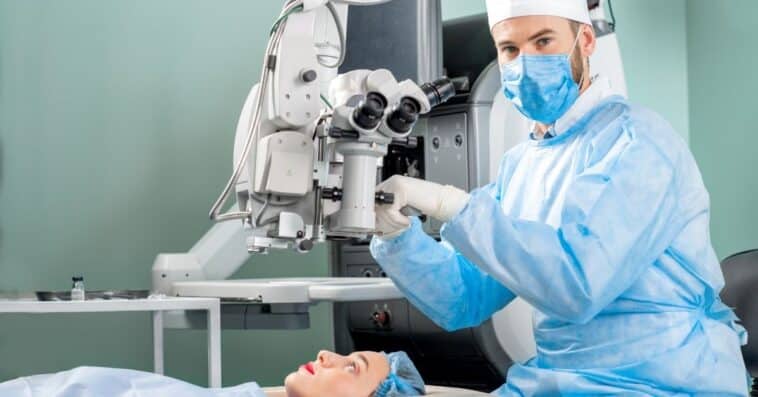
Cataract surgery is one of the most common and successful eye procedures. Each year, millions of people have this surgery to help restore vision that has become cloudy from cataracts.
Feeling nervous about eye surgery is normal. Cataract surgery is a well-planned procedure that is usually completed quickly. Understanding each step can help you know what to expect and feel more comfortable before your surgery.
What Cataract Surgery Is and Why It’s Done
A cataract forms when the natural lens inside your eye becomes cloudy. This cloudiness blocks light from reaching the retina, which can lead to blurry vision, glare, faded colors, and difficulty seeing at night.
Doctors often recommend cataract surgery when vision changes begin to interfere with daily activities such as reading, driving, or recognizing faces. The surgery removes the cloudy lens and replaces it with a clear artificial lens, which helps restore clearer vision.
What Happens Before Cataract Surgery
Before surgery, your eye doctor will do a full eye exam to make sure cataracts are causing your vision problems.
This evaluation typically includes:
- Measuring your eye to determine the correct lens power
- Examining the retina and optic nerve
- Discussing lens options based on your vision needs
- Reviewing medical history and medications
Your doctor may ask you to stop taking some medicines for a short time before surgery. You may also need to use special eye drops. These steps help lower the risk of infection and prepare your eye for surgery.
How Cataract Surgery Works: Step-by-Step
Cataract surgery involves several steps. Each step is designed to safely remove the cloudy lens and protect your eye’s health.
Step 1: Numbing the Eye
Cataract surgery is usually performed with local anesthesia. Your doctor will use numbing eye drops to keep your eye comfortable during the procedure.
Most people stay awake during cataract surgery. You will be relaxed and should not feel any pain. General anesthesia is rarely needed.
Step 2: Creating a Small Incision
The surgeon makes a tiny cut at the edge of your cornea. This opening allows the doctor to reach the lens inside your eye.
Because the cut is so small, it usually heals on its own without stitches.
Step 3: Opening the Lens Capsule
Your natural lens is surrounded by a thin, clear layer called the lens capsule. The surgeon carefully opens the front of this capsule, leaving the rest to support the new lens.
Most of the capsule stays in your eye to hold the new artificial lens after surgery.
Step 4: Breaking Up the Cloudy Lens
In most cases, the surgeon uses ultrasound energy to break the cloudy lens into tiny pieces. This process is called phacoemulsification.
Some surgical centers may use a laser for this step. The main goal is to safely soften the cataract so it can be removed from your eye.
Step 5: Removing the Cataract
Once the lens is broken into small pieces, the surgeon gently removes them from your eye. The cloudy lens is now gone.
The lens capsule stays in your eye to support the new artificial lens.
Step 6: Implanting the Artificial Lens (IOL)
A clear artificial lens, called an intraocular lens (IOL), is placed within the lens capsule. The lens is folded to fit through the small opening and then unfolds once it is inside your eye.
The IOL is designed to stay in place for life. It does not need any maintenance or replacement.
Step 7: Closing the Eye
After the new lens is in place, the surgeon checks the small cut. The cut seals on its own, so stitches are usually not needed.
A protective shield is placed over your eye to keep it safe as you leave the surgery center.
How Long Does Cataract Surgery Take?
The surgery itself usually takes about 10 to 20 minutes for each eye. You will spend a few hours at the surgery center, including time for preparation and recovery.
Most people can go home the same day as their surgery.
What Cataract Surgery Feels Like
Cataract surgery is not usually painful. During the procedure, you may notice:
- Mild pressure
- Bright lights
- Gentle movement sensations
Most people have only mild discomfort. Many patients are surprised by how quick and calm the experience feels.
What Happens Right After Cataract Surgery
After surgery, you will rest for a short time while the care team checks your eye. It is normal for your vision to be blurry right after the procedure.
You’ll receive instructions on:
- Using prescribed eye drops
- Protecting the eye
- Avoiding rubbing or pressure
Most people can go home soon after the procedure.
Cataract Surgery Recovery: Timeline Explained
First 24 Hours
Your vision often begins to improve within the first day. You may notice mild irritation or light sensitivity.
First Week
Your vision will continue to get clearer. Most people can return to light activities, but you should avoid heavy lifting or strenuous exercise.
First Month
Healing continues over the next few weeks. Your vision will become more stable as your eye adjusts to the new lens.
When the Second Eye Is Treated
If you have cataracts in both eyes, your doctor will usually operate on one eye first. The second eye is treated a few days or weeks later, depending on how your first eye heals and your vision needs.
Risks and Complications (Rare but Important)
Cataract surgery is very safe, but like any procedure, it carries some risks.
Possible complications include:
- Infection or inflammation
- Increased eye pressure
- Swelling of the retina
- Lens position changes
Prompt follow-up care is important to manage these risks if they occur.
How Successful Is Cataract Surgery?
Cataract surgery is highly successful. Most people notice a much clearer vision and an improved quality of life after surgery.
Your results may depend on your overall eye health and whether you have other eye conditions. However, most people have excellent results.
Will Cataracts Come Back After Surgery?
A cataract cannot return because the natural lens is removed during surgery. Sometimes, the lens capsule can become cloudy months or years after cataract surgery. This can be easily treated with a quick laser procedure.
FAQ
Is cataract surgery permanent?
Yes. The artificial lens placed during surgery is designed to last for the rest of your life. You should not need to replace it.
Is cataract surgery painful?
Not usually. Most patients report little or no pain, only mild pressure or an unusual sensation. The numbing drops help keep you comfortable during the procedure.
Can you see during cataract surgery?
You will not be able to see what is happening, but you may notice bright lights or gentle movement. Your vision will be blurry during the procedure, so you will not actually see the surgery itself.
How soon can you drive after cataract surgery?
Many patients can drive again within a few days once their vision is clear and meets legal standards. Your doctor will let you know when it is safe to resume driving.
Will I still need glasses after cataract surgery?
Possibly. Some patients still need glasses for certain activities, depending on the lens type selected. Your doctor will discuss your options to help you decide what is best for your lifestyle.
Summary
Cataract surgery removes the cloudy natural lens from your eye and replaces it with a clear artificial lens. This safe, quick procedure is highly effective at restoring vision lost to cataracts.
Knowing what to expect at each step, from preparation to recovery, can help you feel more confident about cataract surgery. For most people, this procedure leads to clearer vision and an improved daily life.