



Contents
hide
LASIK is a widely performed vision correction procedure that helps millions of people worldwide reduce or even eliminate their need for glasses or contact lenses. Many people choose LASIK to improve their vision and enjoy greater freedom from corrective eyewear.
A common question people have about LASIK is how long the results will last and what changes they might notice in their vision over time.
How long does LASIK last?
For most people, LASIK results last for many years and can remain stable for several decades.
However, how long your LASIK results last can depend on several factors, including your age, overall eye health, and the natural changes in your eyes as you get older.
In the following sections, we will explain what LASIK can correct, how long you can expect the results to last, and what changes you might notice in your vision as the years go by.
What Is LASIK and How Does It Work?
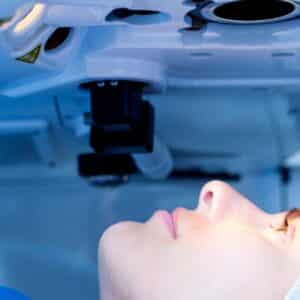
LASIK stands for Laser-Assisted In Situ Keratomileusis. It is a type of laser eye surgery that reshapes the cornea, which is the clear, dome-shaped surface at the front of your eye. By reshaping the cornea, LASIK helps light focus more accurately on the retina at the back of your eye, improving your vision.
During the procedure:
- A thin corneal flap is created.
- An excimer laser reshapes the underlying corneal tissue.
- The flap is repositioned and heals naturally without stitches.
LASIK is commonly used to correct:
- Nearsightedness (myopia)
- Farsightedness (hyperopia)
- Astigmatism
- In select cases, presbyopia (age-related near vision loss)
The LASIK procedure itself usually takes about 10 to 15 minutes per eye. It is done as an outpatient procedure, which means you can return home the same day after your surgery.
How Long Does LASIK Last?
For most people, LASIK provides a lasting correction of the vision problem that was present at the time of surgery.
Studies show:
- Over 95% of patients achieve 20/40 vision or better.
- Many people maintain stable vision for 10 to 20 years or longer after LASIK.
However, it is important to keep in mind that LASIK does not stop the natural aging process of your eyes.
What LASIK Does Permanently
- Corrects the existing refractive error (myopia, hyperopia, astigmatism)
- Reshapes the cornea permanently
What LASIK Does NOT Prevent
- Presbyopia (reading vision changes after age 40)
- Cataracts later in life
- Age-related changes to the lens or retina
Because of these natural changes, you may notice differences in your vision years after LASIK, even though the original correction to your cornea stays the same.
Why Vision Can Change After LASIK
If you notice changes in your vision years after LASIK, it is usually due to normal, age-related changes in your eyes, not because the LASIK effects have worn off.
Common reasons include:
Presbyopia
Around the age of 40 to 45, the natural lens inside your eye becomes less flexible. This change affects your ability to see up close and happens to everyone, whether or not they have had LASIK.
Many people who have clear distance vision after LASIK may still need:
- Reading glasses
- Monovision correction
- A future refractive procedure
Natural Prescription Drift
In a small number of people, especially those who had LASIK at a younger age, mild changes in their vision prescription can develop over time.
Cataracts
LASIK does not cause cataracts, but it cannot prevent them either. Cataracts are a common age-related condition that usually develops later in life and is treated with cataract surgery, not with LASIK.
Do You Ever Need LASIK Again?
Some people may choose to have a LASIK enhancement, also called a touch-up procedure, if they notice significant changes in their vision after their initial surgery.
Enhancements are:
- Less common than initial LASIK
- More likely if surgery was done very young
- Usually considered only after vision stabilizes.
However, most people do not need a LASIK enhancement after their first procedure.
What to Expect After LASIK Surgery
Short-Term Recovery
- You may notice blurry vision for the first day or two after your surgery.
- Dry eyes are also common after LASIK and may last for several weeks.
- Some people notice that they are more sensitive to light or see halos around lights at night, but these symptoms are usually temporary and improve as the eyes heal.
Long-Term Outlook
- Your vision usually stabilizes within a few weeks to a few months after LASIK surgery.
- Most people enjoy clear vision that lasts for many years after their LASIK procedure.
- It is important to continue having regular eye exams so your eye doctor can monitor your eye health and vision over time.
Habits That Help LASIK Results Last
While you cannot stop the natural aging process, you can take steps to protect your eyes and help your LASIK results last as long as possible.
- Avoid rubbing your eyes.
- Use artificial tears if dryness occurs.
- Wear UV-protective sunglasses outdoors.
- Follow screen-use hygiene (20-20-20 rule)
- Attend routine eye exams.
Taking care of your eyes and maintaining good eye health can help support the long-term stability of your vision after LASIK.
Choosing the Right LASIK Surgeon Matters
The long-term results you experience from LASIK depend on several important factors, including:
- Proper candidate screening
- Advanced laser technology
- Surgeon experience
Look for:
- Board-certified ophthalmologists
- Modern femtosecond + wavefront-guided systems
- Thorough pre-operative evaluation
- Honest discussion of long-term expectations
Is LASIK Painful?
LASIK is generally not considered a painful procedure.
- Numbing drops are used during surgery.
- It is common to experience mild discomfort or dryness in the eyes after surgery.
- Most patients can return to their normal activities within 1 to 2 days after LASIK.
If you experience severe pain after LASIK, you should contact your eye doctor right away, as this is not a normal part of recovery.
LASIK vs Other Vision Correction Options
LASIK is just one of several vision correction options. Depending on your eye health and vision needs, your eye doctor may recommend a different procedure that is better suited for you in the long term.
|
LASIK
|
Stable prescriptions, healthy corneas |
|
PRK
|
Thin corneas, contact sports |
|
ICL
|
Very high prescriptions |
|
Refractive Lens Exchange
|
Older patients, presbyopia |
|
Cataract Surgery
|
Cloudy lens, age-related vision loss |
Your eye doctor can help you determine which vision correction option is best suited to your age, eye health, and long-term vision goals.
Conclusion
LASIK results are usually long-lasting and, for many people, can be permanent.
For most people, LASIK provides clear vision that lasts for many years and sometimes even for decades.
Over time, it is usually the natural aging process of your eyes that leads to changes in your vision, rather than changes to the LASIK correction itself.
If you are thinking about LASIK, it is important to schedule a comprehensive evaluation with an experienced eye surgeon. Your surgeon can help you understand what to expect for your long-term vision and whether LASIK is the best option for you.
FAQ
Does LASIK wear off over time?
LASIK does not wear off, but your eyes can still change as you get older.
Conditions like presbyopia or cataracts may affect vision years after LASIK, even though the original correction remains stable.
Conditions like presbyopia or cataracts may affect vision years after LASIK, even though the original correction remains stable.
Can vision get worse years after LASIK?
Yes, your vision can change over time because of normal aging, not because LASIK has stopped working.
Common reasons include presbyopia after age 40 or gradual changes in prescription.
Will I need glasses again after LASIK?
Some people need reading glasses as they get older, especially after the age of 40.
This is because LASIK cannot prevent presbyopia, which eventually happens to everyone.
How often do people need a LASIK enhancement?
LASIK enhancements are not common.
Most patients never need one, but a small percentage may benefit from a touch-up if vision changes significantly after surgery.
Most patients never need one, but a small percentage may benefit from a touch-up if vision changes significantly after surgery.