A stye is a tender, red bump that can develop suddenly on the
eyelid, sometimes making blinking uncomfortable. Although its appearance may be concerning, a stye is usually harmless and often goes away with basic home care. Still, because it can be bothersome or even painful, it is natural to want it to heal as soon as possible.
This guide explains what a stye is, why it develops, the safest and most effective treatments, and when to seek care from an eye doctor. The information provided is based on clinical experience in ophthalmology and on treatments proven effective in practice.
What Is a Stye?
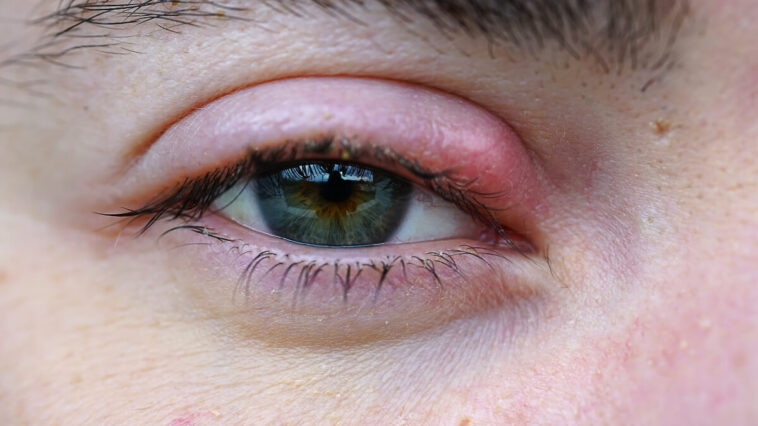
A stye, also known as a hordeolum, is a small infection that affects one of the oil-secreting glands in the eyelid. When one of these glands becomes blocked or bacteria accumulate inside it, it can lead to a swollen, painful lump on the eyelid.
Most people notice:
- a localized red bump
- tenderness when touching the eyelid
- a gritty sensation
- mild tearing
- sometimes a tiny yellow spot where pus collects
Styes may develop on either the outer or inner eyelid, closer to the eye.
What Causes a Stye?
A stye happens when a gland in your eyelid gets clogged or infected. Several things can make this more likely, such as:
- Bacteria (most often Staphylococcus aureus)
- Blepharitis, which is chronic inflammation of the eyelids
- Rubbing your eyes with unwashed hands
- Old or contaminated makeup
- Contact lens misuse
- Hormonal changes
- Stress or poor sleep, which weakens the immune response
- Skin conditions like rosacea or seborrheic dermatitis
- Diabetes, which increases the risk of infection
Anything that blocks or irritates the oil glands in your eyelid can increase your risk of getting a stye.
Symptoms of a Stye
Typical signs include:
- A painful lump on the eyelid
- Localized redness
- Swelling
- A feeling that something is in the eye
- Light sensitivity
- Mild tearing
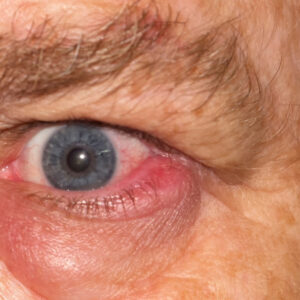
If the swelling spreads beyond your eyelid or becomes very painful, you should see an eye doctor.
Stye vs. Chalazion: What’s the Difference?
Styes and chalazia are both common lumps that can form on the eyelid. While they may appear similar, they develop for different reasons and may require different types of care.
Key Differences Between a Stye and a Chalazion
| Feature |
Stye (Hordeolum)
|
Chalazion
|
|
Pain
|
Usually painful and tender |
Usually painless |
|
Cause
|
Bacterial infection |
Blocked oil gland |
|
Appearance
|
Red, swollen, warm bump |
Firm lump, often not red |
|
Location
|
Along the eyelid edge or inner lid |
Deeper inside the eyelid |
|
Onset
|
Sudden |
Develops slowly |
|
Infection
|
Yes |
No |
|
Treatment
|
Warm compresses + eyelid hygiene |
Warm compresses; steroid injection or surgery if persistent |
A stye is an acute infection of an eyelid gland, while a chalazion is a longer-lasting lump caused by a blocked gland that is not infected.
How to Get Rid of a Stye Fast (Step-by-Step)
The following steps can help you treat a stye safely and effectively at home.
✔. Apply Warm Compresses (10 minutes, 3–4 times/day)
Applying heat helps soften the blocked oil glands and encourages the stye to drain naturally.
Use a clean, soaked washcloth in warm water. Rewarm it as needed to keep it comfortable.
Warm compresses are generally considered the most effective initial treatment for a stye.
✔. Clean Your Eyelids Gently
Keeping the eyelashes clean can help reduce the amount of bacteria on the eyelids.
You can use:
- diluted baby shampoo
- pre-made eyelid cleansing wipes
- warm water and a gentle massage
It is best to avoid using harsh or heavily scented products on the eyelids, as these can cause irritation.
✔. Don’t Squeeze It. Ever
Trying to squeeze or pop a stye can spread the infection deeper into the eyelid.
Allow the stye to drain on its own as it heals.
✔. Stop Wearing Eye Makeup and Contact Lenses
Eye makeup can trap bacteria on your eyelids. Contact lenses can also irritate the area while you have a stye.
Do not use eye makeup or contact lenses until the stye is completely healed.
✔. Use an Antibiotic Ointment Only If Prescribed
Your eye doctor may prescribe an antibiotic ointment if the stye does not improve with home care or if it is located inside your eyelid.
Safe Home Remedies for Styes
While these home remedies will not cure a stye instantly, they can support healing and relieve discomfort.
- Warm compresses
- Gentle eyelid massage
- Artificial tears if the eye feels irritated
- Rest and hydration
- Avoiding eye rubbing
It is best to avoid home remedies such as tea bags, salt water, or toothpaste, as they can irritate the eye and delay healing.
Medical Treatments for a Stye
If a stye is large, very painful, or not getting better with home care, your eye doctor may suggest one or more of these treatments:
✔ Topical Antibiotic Ointment
This may be helpful if there is discharge from the stye or if the eyelid edge is inflamed.
✔ Oral Antibiotics
Oral antibiotics may be needed if the infection is deeper, spreading, or if the stye is inside your eyelid.
✔ Steroid Drops or Ointment
Steroid drops or ointment can reduce severe inflammation, but use them only if your eye doctor recommends them.
✔ Incision and Drainage
If a stye does not drain on its own, your eye doctor can perform a quick in-office procedure to help it heal.
✔ Treatment of Blepharitis
If you get styes often due to eyelid inflammation, keeping your eyelids clean over time can help prevent them from recurring.
How Long Does a Stye Last?
Most styes start to get better in 3 to 5 days and are usually gone within 7 to 10 days.
If a stye lasts longer than expected or becomes a firm lump, it may have become a chalazion, a different kind of eyelid bump.
How to Prevent Styes from Coming Back
A few simple habits can help prevent styes from coming back:
- Clean eyelids regularly
- Replace eye makeup every 3 months.
- Remove makeup every night.
- Avoid rubbing your eyes.
- Clean contact lenses properly
- Maintain good sleep and stress levels.
- Treat chronic blepharitis if present.
By following these steps, you can help keep your eyelid oil glands healthy and reduce the risk of future styes.
When You Should See an Eye Doctor
You should seek medical care if you notice any of the following:
- The swelling spreads beyond the eyelid.
- Fever or general illness
- The stye lasts more than 1 week.
- Vision becomes blurry
- Pain becomes severe
- Many styes appear at once
- A chalazion forms and stays for weeks.
If you notice any changes in your vision, see an eye doctor as soon as possible.
What Is a Chalazion?
A chalazion is a firm, painless bump that forms when an oil gland in the eyelid becomes blocked. Unlike a stye, a chalazion is not an infection and tends to behave differently.
Warm compresses can help, but many chalazia last longer than styes and may need more treatment, such as:
- steroid injection
- drainage procedure
Your eye doctor will recommend the best treatment for a chalazion based on its size and location on your eyelid.
Chalazion Treatment (Summary)
- Warm compresses
- Gentle eyelid massage
- Lubricating drops
- Prescription steroid ointment
- Drainage procedure if the chalazion does not go away by itself or starts to affect your vision
- Antibiotics only if infected (rare)
When to See an Eye Doctor for Styes or Chalazia
If you notice:
- worsening pain
- swelling spreading to the cheek or eyebrow
- trouble opening the eye
- vision changes
- fever
If you have any of these symptoms, see a doctor right away. They could be signs of a more serious infection.
FAQ
How long does a stye usually last?
Most styes go away in 3 to 7 days. Warm compresses can help them heal faster by helping the blocked gland drain.
Can I pop a stye to make it go away faster?
No. Squeezing a stye can spread the infection, worsen swelling, or cause a more serious eyelid abscess.
What is the fastest way to get rid of a stye?
Applying warm compresses every 3 to 4 hours is the fastest way to help a stye heal. The heat softens the blockage and helps the stye drain.
Should I see an eye doctor about a stye?
You should seek care if a stye lasts longer than a week, becomes very painful, affects your vision, or spreads to your face.
How do I know if it’s a stye or a chalazion?
Styes are usually painful and tender. Chalazia are usually painless, firm, and last longer. Both can form on your eyelid. Although its appearance may be concerning, a stye is usually harmless and often goes away with basic home care. Still, because it can be bothersome or even painful, it is natural to want it to heal as soon as possible.