


What Is a Pediatric Optometrist?
- Nearsightedness (myopia)
- Farsightedness (hyperopia)
- Astigmatism
- Amblyopia (lazy eye)
- Strabismus (eye misalignment)
- Focusing and eye-tracking problems
- Eye conditions linked to developmental or neurological disorders
Who Should See a Pediatric Optometrist?
- Vision screening as early as 6 months of age
- Follow-up exams around 3 years old
- Before starting school
- Children who struggle with reading, attention, or hand-eye coordination
- Family history of eye diseases or strong prescriptions
- Crossed or wandering eyes
- Frequent squinting or eye rubbing
- Headaches or eye strain
- Developmental delays or learning difficulties
- Autism, Down syndrome, or cerebral palsy
- Premature birth or low birth weight
How to Find the Right Pediatric Optometrist for Your Child
- Start by asking people you trust. Your child’s doctor, school nurse, or other parents can often suggest eye doctors who are good with kids. Doctors who see many children are usually well-known in your area.
- Look for an optometrist with specialised training and experience in pediatric eye care to ensure age-appropriate exams for your child.
- Make sure the optometrist is licensed and knows how to treat the most common vision problems in children.
- Check reviews or ask how the optometrist works with kids, especially if your child is nervous or very young.
- If possible, visit the clinic before your child’s appointment. A friendly office and staff can help your child feel less nervous and make the exam easier.
- Ask the optometrist what kind of exam they do for kids. Good pediatric optometrists use gentle, kid-friendly ways to check your child’s eyes.
What Services Do Pediatric Optometrists Provide?
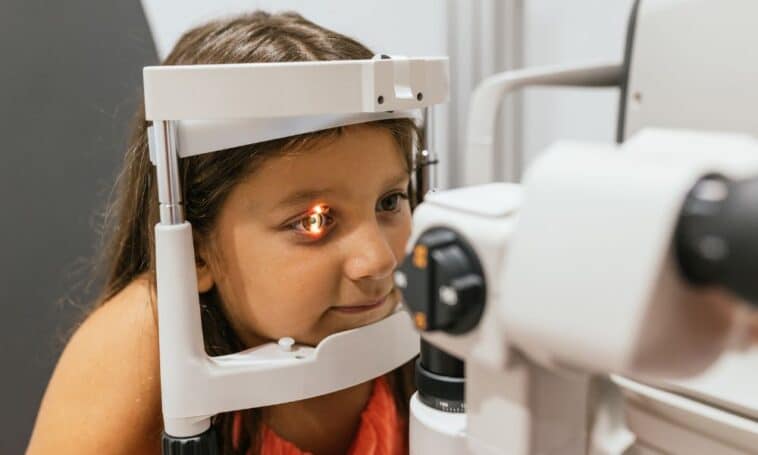
Comprehensive Pediatric Eye Exams
- Vision clarity at different distances
- Eye alignment and coordination
- Focusing ability and eye tracking
- Overall eye health and development
Diagnosis and Management of Vision Disorders
- Nearsightedness (myopia), farsightedness (hyperopia), and astigmatism
- Lazy eye (amblyopia)
- Eye turns or misalignment (strabismus)
Glasses and Contact Lenses for Children
- Age-appropriate glasses designed for comfort and durability
- Specialty lenses for myopia control
- Contact lens fitting for children, when it is appropriate for their age and needs.
Vision Therapy
- Eye coordination and tracking
- Reading-related vision challenges
- Visual attention and processing difficulties
Treatment of Common Eye Conditions
- Allergic eye disease
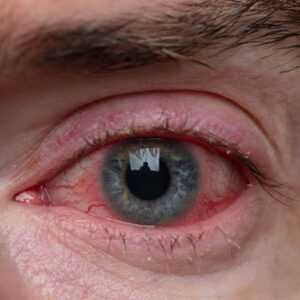
- Eye infections, including conjunctivitis
- Dry eye symptoms in children
Care for Children With Special Needs
- Adapted eye exams
- Long-term vision monitoring
- Coordination with pediatricians, therapists, and other specialists
How Parents Can Help Protect Their Child’s Vision
There are many things you can do at home to help protect your child’s eyesight. Healthy habits and regular eye check-ups are important steps in keeping their vision strong throughout life.
- Scheduling regular eye exams, even without symptoms
- Encouraging outdoor play, which helps reduce myopia progression
- Limiting screen time and teaching your child to follow the 20-20-20 rule: every 20 minutes, take a 20-second break to look at something 20 feet away.
- Ensuring proper lighting for reading and homework
- Providing a balanced diet with plenty of fruits, vegetables, and foods rich in omega-3 fatty acids
- Encouraging protective eyewear during sports
- Watching for warning signs like squinting, frequent eye rubbing, or trouble concentrating
The Risks of Poor Vision Care in Children
- Delayed visual and cognitive development
- Learning difficulties and poor academic performance
- Low self-confidence and frustration
- Increased risk of injuries
- Chronic headaches and eye strain
- Permanent vision loss can occur if amblyopia, or lazy eye, is not detected and treated early in childhood.
Pediatric Optometrist vs Pediatric Ophthalmologist?
The optometrist manages routine vision needs, while the ophthalmologist handles medical or surgical cases when needed.
| Feature | Pediatric Optometrist | Pediatric Ophthalmologist |
Professional training | Doctor of Optometry (OD) with pediatric-focused training | Medical Doctor (MD) with specialization in ophthalmology and pediatrics |
Primary role | Vision care, visual development, and non-surgical management | Medical and surgical treatment of eye diseases |
Eye exams | ✅ Comprehensive pediatric vision exams | ✅ Medical eye examinations |
Glasses & contact lenses | ✅ Prescribes and manages glasses and contact lenses | ⚠️ May prescribe, but not primary focus |
Myopia control | ✅ Specialized management (orthokeratology, atropine, lenses) | ⚠️ Limited involvement |
Lazy eye (amblyopia) | ✅ Diagnosis and non-surgical treatment (patching, drops, vision therapy) | ✅ Medical management when needed |
Strabismus (eye turn) | ✅ Detection and non-surgical management | ✅ Surgical correction when required |
Vision therapy | ✅ Provides vision therapy programs | ❌ Not typically provided |
Eye surgery | ❌ Does not perform surgery | ✅ Performs eye surgeries |
Complex eye diseases | ❌ Refers when advanced care is needed | ✅ Treats complex and rare eye conditions |
Best for | Routine eye care, glasses, learning-related vision issues | Surgery, congenital eye disorders, severe eye disease |
- 6 months old: First eye exam
- 3 years old: Vision and eye alignment check
- Before school entry
- Every 1–2 years during school age
- More frequently, if vision problems are present
Conclusion
Pediatric optometrists do more than just check if your child needs glasses. They help protect your child’s vision, support their learning, and work to prevent vision problems down the road.
Making pediatric eye care a regular part of your child’s health routine helps protect their eyesight and supports healthy development.
FAQ
Can a pediatric optometrist treat lazy eye (amblyopia)?
Yes. Pediatric optometrists often diagnose and manage lazy eye with glasses, patching, atropine drops, and vision therapy. Early treatment, especially before age 7, gives the best chance to improve vision and prevent permanent vision loss.
How often should school-aged children have eye exams?
Most school-aged children should have an eye exam every 1 to 2 years. Children who wear glasses, have learning difficulties, headaches, or changing vision may need more frequent exams, as recommended by their eye doctor.
Can Screen Time Affect My Child’s Vision?
Yes, too much screen time can make your child’s eyes tired or dry, cause headaches, and make it hard to focus. It can also make nearsightedness worse, especially if your child isn’t spending enough time outside. Pediatric optometrists suggest setting screen limits, encouraging outdoor play, and taking regular breaks from screens.
Do Pediatric Optometrists Prescribe Glasses for Children?