


Contents
hide
What Are Stressed Eyes?
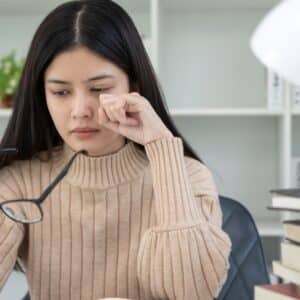
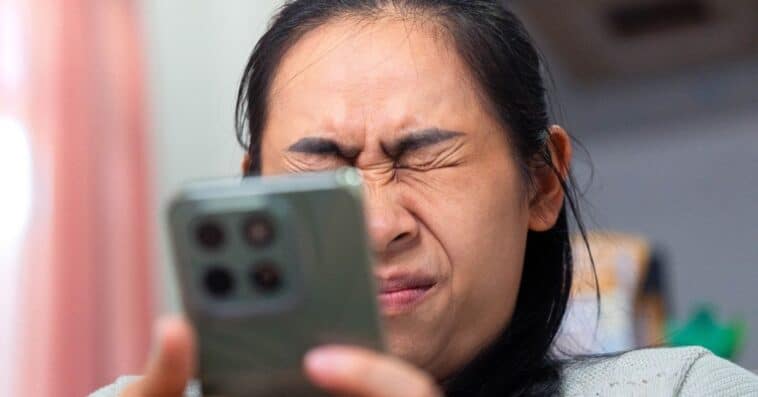
Stressed eyes, also called eye strain, happen when your eyes get tired from looking at screens, reading, or doing anything that needs a lot of focus. You might notice your eyes feel dry, your vision gets blurry, or you get a headache. Most of the time, these problems get better if you rest your eyes, use good lighting, and take care of them.
According to eye care specialists, most cases of eye strain are temporary and tend to improve with simple lifestyle changes. However, if your symptoms continue or worsen, it is important to see your eye doctor for a thorough evaluation.
How Stress Affects Your Eyes
Stress affects your whole body, including your eyes. When you are stressed, your body makes hormones like cortisol and adrenaline. These hormones can cause changes in your eyes, such as:
- Reduced blinking (leading to dry eyes)
- Eye muscle tension
- Dilated pupils
- Increased sensitivity to light
- Headaches and blurred vision
Stress may also lead to increased screen time without adequate breaks, which can contribute to eye fatigue.
If stress-related eye strain is not addressed, it may contribute to the following problems over time:
- Chronic dry eye
- Frequent headaches
- Difficulty focusing
- Worsening of existing vision problems
Common Causes of Stressed Eyes
Many things can cause eye strain. Common causes include:
✔ Digital Screen Use
Using computers, phones, or tablets for long periods is a major cause of eye strain. When you look at screens for a long time, you blink less. This can make your eyes feel dry and uncomfortable.
✔ Poor Lighting
Very bright or very dim lighting, or glare, makes your eyes work harder to see.
✔ Lack of Sleep
Not getting enough sleep can make your eyes dry. It also makes it harder for your eyes to recover after you use them a lot.
✔ Dry Environments
Air conditioning, heating, wind, or dry air can make your eyes feel dry and uncomfortable.
✔ Contact Lens Overuse
Wearing contact lenses for too long can irritate your eyes and lower the amount of oxygen that reaches your cornea.
✔ Emotional or Physical Stress
Emotional or physical stress can make your muscles tense, including the muscles that move your eyes.
✔ Medical Conditions
Conditions such as:
- Dry eye disease
- Uncorrected vision problems
- Diabetes
- Thyroid disorders
Individuals with these conditions may experience increased eye strain or a gradual worsening of symptoms over time.
Symptoms of Stressed Eyes
Symptoms of eye strain can vary among individuals. Common symptoms include the following:
- Tired or heavy eyes
- Burning or dryness
- Blurred or fluctuating vision
- Headaches (especially after screen use)
- Eye twitching
- Light sensitivity
- Difficulty focusing
- Watery eyes
- Neck or shoulder tension
If symptoms do not improve or worsen, it is important to schedule an appointment with your eye doctor.
How to Relieve Stressed Eyes
Relieving eye strain can help you feel better and protect your eyes. Healthy habits can protect your vision. Many tips from eye doctors are easy to add to your daily routine and can help with dryness, discomfort, and tired eyes.
✔ Follow the 20-20-20 Rule.
Every 20 minutes, focus on an object at least 20 feet away for 20 seconds.
✔ Blink More Often
Blinking more often helps keep your eyes moist and can lower dryness and irritation.
✔ Adjust Your Screen
- Keep screens at eye level.
- Set your screen brightness to a level that is comfortable for your eyes.
- Make the text bigger so it is easier to read and less tiring for your eyes.
- Reduce screen glare by changing your lighting or by using a screen filter.
✔ Use Artificial Tears
Artificial tears without preservatives can help with dryness and irritation.
✔ Improve Lighting
Use soft, indirect light whenever possible. Try to avoid harsh overhead lights.
✔ Take Regular Breaks
Take breaks often to stand up, stretch, and rest your eyes.
✔ Reduce Stress
Relaxation, enough sleep, drinking water, and regular exercise can help reduce tension in your eyes and body.
Can Stressed Eyes Affect Vision Long-Term?
In most cases, eye strain does not result in permanent vision damage.
However, if eye strain persists or is not managed, it may:
- Worsen dry eye disease.
- Trigger frequent headaches
- Make it more difficult to complete daily tasks or work responsibilities.
- Make existing vision problems more noticeable or bothersome.
If symptoms do not improve with rest and lifestyle modifications, consult your eye doctor to rule out other underlying causes.
Stressed Eyes vs Eye Disease: What’s the Difference?
A lot of people worry that ongoing eye strain might cause permanent damage or lead to serious eye disease. While eye strain can be uncomfortable and make daily life harder, it’s usually temporary and gets better with rest and good eye care.
Eye diseases, in contrast, involve structural or medical problems that often require evaluation and treatment by an eye doctor.
Knowing the difference between everyday eye strain and real eye disease can help you figure out when simple changes are enough and when you need to see a doctor.
Eye Strain (Stressed Eyes) | Eye Disease |
Usually temporary | Often chronic or progressive |
Caused by screen use or fatigue | Caused by medical conditions |
Improves with rest | Requires medical treatment |
Does not damage the eye | Can affect vision permanently |
Common in daily life | Less common but more serious |
How to Prevent Stressed Eyes
Preventing eye strain is just as important as treating it. Healthy habits can keep your eyes comfortable and protect them over time. These steps are simple and can help your eyes stay healthy for the long run.
- Use good lighting when you read or work.
- Try to spend less time on screens.
- Sit up straight when you use digital devices.
- Drink enough water during the day.
- Get enough sleep.
- Wear your glasses or contact lenses as prescribed by your eye doctor.
- Use blue-light-filtering glasses or screen filters if your eye doctor recommends them.
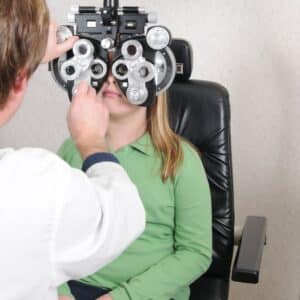
- Schedule regular eye exams to monitor your eye health.
Most of the time, it’s easier to prevent eye strain than to treat it after symptoms start.
When to See an Eye Doctor
You should schedule an eye exam if you experience:
- Persistent eye pain
- Sudden vision changes
- Double vision
- Severe headaches
- Redness or discharge
- Symptoms lasting more than a few days
These symptoms may indicate a more serious eye condition that requires prompt evaluation and treatment.
FAQ
Can stress really affect your eyes?
Absolutely. When you’re stressed, your body responds in ways that can affect your eyes—like making you blink less, tensing your eye muscles, or making your eyes feel dry and tired. It’s very common to notice eye discomfort or strain during times of stress.
Can stressed eyes cause blurry vision?
Yes, they can. If your eyes are overworked or you’re feeling tense, you might notice things look a bit blurry. The good news is that this usually goes away after you give your eyes a break.
Do blue light glasses help?
Blue light glasses might help reduce glare or make your eyes feel a bit more comfortable, especially if you spend lots of time on screens. Still, taking regular breaks and ensuring your room is well-lit are even more effective at preventing eye strain.
Are stressed eyes dangerous?
Most of the time, stressed eyes aren’t dangerous—they’re just uncomfortable. But if your symptoms don’t go away or get worse, it’s a good idea to check in with your eye doctor just to be safe.
How long does eye strain last?
For most people, mild eye strain gets better within a few hours or after a night’s sleep, as long as you give your eyes time to recover.
Summary
Stressed eyes are really common these days, but most of the time, they get better with a few simple changes. Taking breaks, using good lighting, and caring for your eyes can make a big difference.
But if your symptoms don’t go away, get worse, or start to mess with your daily life, make sure to schedule an eye exam. That way, your doctor can check for any other problems and help protect your vision for the future.