



Contents
hide
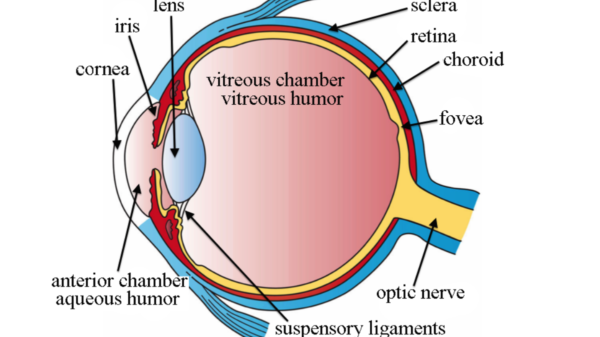
The vitreous humor is a clear, gel-like substance that fills the space between the lens and the retina inside the eye. It plays a critical function in maintaining the shape of the eye, supporting the retina, and allowing light to reach the retina clearly for proper vision.
Although you may not be aware of the vitreous humor, it plays a vital role in maintaining your eye health. Changes in the vitreous can result in floaters, blurred vision, retinal detachment, and other significant vision concerns.
This guide will explain what the vitreous humor is, how it functions, how it changes with age, and which eye conditions may affect it.
What Is the Vitreous Humor?
The vitreous humor is a clear, gel-like material that makes up about 80% of your eye’s volume. It sits between the lens and the retina at the back of your eye.
Composition of the vitreous humor:
- 98–99% water
- Collagen fibers
- Hyaluronic acid
- Electrolytes
- Small amounts of proteins
Once the vitreous humor forms, it cannot regenerate if lost or removed. Over time, it may slowly become more liquid as you age. Unlike other fluids in the eye, the vitreous cannot be replaced naturally.
What is The Vitreous Humor Function?
The vitreous humor has several important jobs. It helps keep your vision clear and your eyes healthy.
🔹 Maintains the Shape of the Eye
The gel-like vitreous helps the eye keep its round shape. This shape is needed for the eye to focus light onto the retina.
🔹 Supports the Retina
The vitreous humor helps to hold the retina in place against the back of the eye, which is essential for the retina to function properly.
🔹 Allows Light to Pass Through
Because the vitreous is transparent, light can pass from the lens to the retina without significant distortion.
🔹 Acts as a Shock Absorber
The vitreous helps protect the inside of the eye from minor injuries.
🔹 Helps Regulate Eye Structure Stability
The vitreous fills the back of the eye. It helps keep the eye stable and prevents it from collapsing.
The vitreous also helps keep vision clear by reducing scattered light inside the eye.
Vitreous Humor vs. Aqueous Humor
The vitreous humor and aqueous humor are two different fluids in the eye. Both are needed for vision, but each is linked to different eye problems.
Problems with the aqueous humor are often linked to glaucoma and high eye pressure. Problems with the vitreous humor can cause floaters, retinal tears, bleeding, or retinal detachment.
These fluids have different functions in the eye. Diseases affecting each one need different tests and treatments. Knowing which part of the eye is involved helps doctors choose the right treatment and prevent vision problems.
| Feature | Vitreous Humor | Aqueous Humor |
| Location | Between lens & retina | Between cornea & lens |
| Consistency | Gel-like | Watery |
| Regeneration | No | Yes |
| Main Role | Structural support | Pressure regulation |
| Affected by aging | Yes | Less affected |
How Does Aging Affect the Vitreous Humor?
As you age, the vitreous humor undergoes several changes.
Some common changes that happen with age include:
- The gel becomes more watery (liquefaction)
- The vitreous shrinks
- The vitreous can separate from the retina (posterior vitreous detachment)
- Floaters may form
These changes are a normal part of the aging process and typically begin after the age of 40 or 50.
Posterior Vitreous Detachment (PVD)
A posterior vitreous detachment occurs when the vitreous gel separates from the retina at the back of the eye.
Common symptoms:
- Floaters
- Flashes of light
- Blurred vision
- Shadows or cobweb-like shapes
These symptoms are usually harmless. However, if you suddenly notice new floaters, flashes of light, or changes in your vision, it is important to see an eye doctor promptly to rule out a retinal tear or detachment.
Most posterior vitreous detachments are not dangerous. But sometimes, they can lead to a retinal tear or detachment, which needs fast medical care.
Diseases and Conditions That Affect the Vitreous Humor
There are a few eye problems that can affect the vitreous humor. Some are common and mild, but others need quick medical attention. Knowing the signs can help you know when to see an eye doctor.
🔹 Vitreous Floaters
Floaters are small specks, threads, or cobweb-like shapes that move across your field of vision. They occur when tiny clumps form within the vitreous and cast shadows on the retina.
Most floaters are harmless and tend to become more common with age. However, a sudden increase in floaters, especially if accompanied by flashes of light, should always be evaluated by an eye doctor.
🔹 Vitreous Hemorrhage
A vitreous hemorrhage occurs when blood leaks into the vitreous humor, which can cause vision to appear cloudy, dark, or reddish.
Common causes include:
- Diabetic retinopathy
- Eye injury or trauma
- Retinal tears or abnormal blood vessels
Depending on the amount of bleeding, vision may improve on its own or require medical or surgical treatment.
🔹 Diabetic Retinopathy
In individuals with diabetes, damaged blood vessels in the retina may grow abnormally and extend into the vitreous. These fragile vessels can bleed or exert traction on the retina, leading to vision loss.
Diabetic retinopathy is a common cause of vitreous complications and requires regular monitoring and timely treatment to preserve vision.
🔹 Retinal Detachment
A retinal detachment occurs when the retina separates from the back of the eye. This condition is considered a medical emergency.
Warning signs may include:
- Sudden flashes of light
- A shower of floaters
- A dark curtain or shadow over vision
Prompt treatment is essential to prevent permanent vision loss.
🔹 Uveitis
Uveitis is inflammation within the eye that can involve the vitreous humor. It may cause the following symptoms:
- Blurred vision
- Eye pain
- Light sensitivity
- Floaters
If left untreated, uveitis can result in long-term vision problems. Early diagnosis and treatment are important to prevent complications.
Vitrectomy: Surgical Treatment of Vitreous Disorders
A vitrectomy is a surgical procedure in which an eye doctor removes some or all of the vitreous from the eye.
Your eye doctor may recommend a vitrectomy to treat:
- Vitreous hemorrhage
- Retinal detachment
- Macular hole
- Severe floaters
- Diabetic eye disease
How vitrectomy works:
- Performed under local or general anesthesia
- The vitreous gel is removed from the eye.
- The vitreous is replaced with a special fluid, gas, or silicone oil.
- If needed, the retina is repaired during the same procedure.
Most individuals experience improved vision after recovering from a vitrectomy.
A retina specialist typically performs this surgery. When indicated, vitrectomy is considered safe and effective.
When Should You See an Eye Doctor?
See an eye doctor right away if you have:
- Sudden increase in floaters
- Flashes of light
- Blurred or distorted vision
- A dark curtain over vision
- Eye pain or vision loss
Early detection of problems can help prevent permanent vision loss.
FAQ
Can the vitreous humor regenerate?
No, the vitreous humor does not regenerate once it has changed or been removed. However, this is usually not a problem. In most cases, the eye adapts, and vision remains stable, provided there are no complications.
Is vitreous detachment dangerous?
In most cases, a vitreous detachment is not dangerous and is a normal part of aging. However, it can sometimes pull on the retina, causing a tear or detachment. For this reason, it is important to have any sudden symptoms evaluated by an eye doctor.
Do floaters mean something serious?
Floaters are very common and usually harmless. Many people notice them as they get older. But if you suddenly see more floaters, flashes of light, or a shadow in your vision, see an eye doctor right away to make sure there is no retinal problem.
Does the vitreous humor affect vision clarity?
Yes. If the vitreous becomes cloudy, bleeds, or pulls on the retina, it can cause blurred vision or shadows. If you notice these changes, do not ignore them.
Final Summary
The vitreous humor is essential for maintaining the eye’s structure, supporting the retina, and ensuring clear vision. Although it changes naturally with age, problems involving the vitreous can result in significant vision loss if left untreated.
- Get regular eye exams.
- Know the early symptoms.
- Get prompt treatment.
These steps are essential for preserving your vision in the years ahead.